

Table of contents
Creating content that is relevant and useful to your target audience is essential for both online and offline success. In order to create content that resonates with your readers, you need to understand who they are and what they care about. By understanding your target audience, you can be sure that your content will be appreciated and help you achieve your marketing objectives.
Defining Your Target Audience
When it comes to your blog, you need to know who your target audience is. This knowledge will help you create content that is relevant and engaging for them.
Your target audience can be narrowed down to one or more of the following:
-People who are interested in your topic
-People who live in a particular area
-People who have a specific demographic (age, income, etc.)
-People who use a certain type of device (smartphone, laptop, tablet)
Developing a Message That Resonates With Your Target Audience
Creating a blog to share your message with your target audience is an essential part of any marketing strategy. By understanding your audience and what they care about, you can create content that speaks to them on a personal level. This will help you build relationships with them, which in turn will result in more customers.
When developing your blog, keep these tips in mind:
-Start by identifying your key messages. What are you trying to say to your target audience? What do you want them to take away from your posts? Once you have a clear idea of what you want, start crafting content that reinforces that message.
-Target the right people. Not all readers of your blog are potential customers, so be sure to focus on writing content that appeals to your target audience. This means writing for people who share similar interests and values as your own.
-Engage with your target audience. Be sure to comment on posts, share the links to your favorite articles, and answer questions in the comments section. Doing this will show that you’re interested in what they have to say and make them feel like part of the community.
Crafting Creative Copy that Resonates with Your Target Audience
Creating content that is both creative and resonates with your target audience can be a challenge. However, it is crucial to ensure that your content is engaging and useful to your readers. If you can create content that speaks to their needs and interests, you will be more likely to attract new followers and retain current ones.
When crafting your content, it is important to consider who your target audience is. Are you writing for business owners or consumers? Are you targeting residents of a certain city or region? Once you have determined who your audience is, it is important to consider their individual needs and interests.
Some factors to consider when crafting creative copy for your target audience include:
-What are their concerns or problems?
-What are their wants and desires?
-What topics are they passionate about?
-What do they find entertaining or interesting?
-What makes them feel good about themselves?
Once you have determined what makes your target audience happy, it is time to focus on delivering valuable information in a way that is easy for them to understand. In addition to using creative language and storytelling techniques, try incorporating visual elements into your content. This can help make complex topics more approachable for your readers.
By taking these simple steps, you can create content that is engaging, useful, and well-suited for your target audience.
How to Measure the Success of Your Campaign
Knowing your target audience is essential to the success of any marketing campaign. By understanding who you are trying to reach and what they want, you can tailor your message accordingly. There are a few key methods you can use to measure your success.
One way to measure the success of a marketing campaign is through customer retention rates. If people who were initially interested in your product or service continue consuming it after signing up, then you have succeeded in reaching your target audience. Another method is through conversion rate, which measures how many people who visit your website or sign up for your email list convert into customers.
However, measuring the success of a marketing campaign is only half the battle. You also need to determine why those customers stopped consuming or subscribing to your content or visiting your website. By understanding their needs and wants, you can create more tailored content and advertisements that will appeal to them.
By knowing your target audience and using various methods to measure their success, you can create successful marketing campaigns that will keep your customers coming back for more.

Table of contents
As a business owner, you undoubtedly value your website’s visitors and would love to see more of them coming back time and time again. However, if you don’t have the right email marketing strategy in place, your website traffic might be stagnant or even dwindling. In this article, we will teach you how to increase your website traffic using email marketing.
What Are The Three Types Of Email Marketing?
There are three types of email marketing: transactional, relationship, and engagement.
Transactional email marketing is when you send an email to customers with a purchase in mind. For example, you might send an email asking them to confirm their order or to provide shipping information.
Relationship email marketing is when you send emails to your customers to keep them updated on your product or service. For example, you might send an email announcing new products or services that your company offers.
Engagement email marketing is when you send emails to your customers to drive them to take action on a specific task. For example, you might send an email asking them to vote for a new product design.
How Do You Create A Custom Campaign?
Email marketing is a great way to increase website traffic. When you create a custom campaign, you can target your audience and send them the information they need in a way that is specific to their interests. Here are four tips for creating a custom email marketing campaign:
1. Find your target market.
The first step in creating a custom email marketing campaign is identifying your target market. Once you have identified your target market, you can then start to research their interests and preferences. You can also use surveys to find out more about your target market’s opinions and behaviors.
2. Create personalized content.
When you create customized content, you are more likely to achieve success with email marketing. Personalized content appeals to individuals because it is tailored to their needs and interests. Include calls-to-action in your emails so that users can take action on the information you have sent them.
3. Send frequent updates.
Keep users updated with the latest information by sending frequent email updates. This will keep them interested in your content and motivated to take action on the calls-to-action you include in your emails.
4. Use effective email marketing techniques.
There are a variety of effective email marketing techniques you can use to promote your custom campaign. Some of the most common include:
– Sending personalized emails.
– Including calls-to-action in your emails.
– Creating content that is relevant to your target market.
– Sending email updates frequently.
How Often Should You Send Emails And Why?
Email marketing is one of the most powerful tools at your disposal when it comes to growing your website’s traffic. Studies have shown that email marketing can result in a 5 to 10 times increase in website traffic, depending on the topic and content of your email messages.
That being said, there are a few things you need to keep in mind when it comes to email marketing: 1) send emails frequently but not too often; 2) make sure your emails are interesting and relevant to your audience; 3) don’t spam people; and 4) track the results of your email campaigns.
There are two main types of email marketing- direct response (DR) and retargeting. DR email marketing is where you send an email to a specific person or list of people with the intention of getting them to buy something from you. Retargeting is where you send an email to someone who has already interacted with you, either on your website or through another medium, with the intention of getting them to come back and interact with you again.
When it comes to timing, you want to send your emails as often as possible but not so often that it becomes annoying or spammy. Try sending emails once a day, once every other day, or once a week. The key is to find the frequency that works best for your audience and your message.
Finally, make sure that your emails are interesting and relevant to your audience. Be sure to include the latest news, blog posts, and product updates in your emails so that you can keep your audience engaged and interested.
And finally, don’t spam people. One of the biggest complaints about email marketing is that it feels like people are being bombarded with too many emails. Try to limit yourself to one or two emails per week (or per month), and make sure that each email is valuable and relevant.
What’s In An Email Header And What Goes In The Subject Line?
Email headers are the first thing a recipient sees when emailing you. Make sure your header is eye-catching and includes your name, website and contact information. The subject line is the second thing a recipient sees, so be sure to keep it brief and to the point.
How To Increase Open Rates And Click-Through Rates On Your Emails
Email marketing is one of the most effective ways to increase website traffic. Open rates and click-through rates are two key indicators of email effectiveness. Here are a few tips to increase your open rates:
1. createmonster.io can help you design high-quality emails that stand out from the crowd.
2. write meaningful, compelling subject lines.
3. use images and videos to capture attention and engage users.
4. make sure your emails are sent out at the right time of day.
5. use personalization and segmentation to target your audience in the most effective way possible.
Tips For Making Your Emails More Effective
Email marketing is one of the most effective ways to increase website traffic. In this article, we’ll discuss how to make your email campaigns more effective.
1. Start with a clear goal.
Your first step is to figure out what you want to achieve with your email campaign. If you don’t have a specific goal in mind, your emails will be less likely to be successful. For example, if you want to increase website traffic by 10%, make sure your email campaigns are focused on driving more visits to your website.
2. create compelling Subject Lines.
Your subject line is the first thing people see when they open your email, so it’s important that it grabs their attention. Make sure it reflects the content of your email and targets your audience specifically. Try to use words that are relevant to them and inspire them to take action. For example, if you’re selling products, try including keywords such as “sale,” “discount,” or “free shipping.”
3. Use powerful Images and Videos.
visuals can help promote your email and engage your reader. Try including images or videos that illustrate the message you’re trying to send 4. Make sure your email is easy to read. Your email should be easy to read and formatted in a way that’s both user-friendly and attractive. Use clear, concise language and make sure all your text is spelled correctly.
4. Use a CTA (Call To Action).
One of the most effective ways to increase website traffic is through CTA buttons – buttons that allow visitors to take action, such as signing up for your mailing list or clicking on a link to visit your website. Place CTAs at the end of your email, close to the signature line, and in the footer.
5. Send Frequently Featured Emails.
When you send out emails, try to feature ones that are popular among your audience. Doing this will help you build engagement and increase circulation. You can also use social media platforms to promote these emails directly to your followers.

Table of contents
As a business owner, you know that it’s important to stay up-to-date with the latest trends in digital marketing. But what do you do when you have a client who insists on using outdated methods? In this article, we’ll give you an overview of digital marketing basics so that you can better understand what your clients are expecting from you.
Defining Digital Marketing
Digital marketing is the practice of using digital technologies to create, build, and manage relationships with customers. It is a strategic approach used by businesses to attract and retain customers through creating and delivering value through digital channels.
There are several steps businesses must take in order to implement digital marketing. The first step is to understand what their target market looks like and what their needs are. After that, it’s important to identify the best digital channels for reaching their target market. Once these channels have been identified, it’s important to create content that is relevant and useful to your target market. This content should be delivered in a way that is easy for your target market to access and use. lastly, it’s important to measure the success of your digital marketing efforts and make necessary adjustments accordingly.
The Pillars of Digital Marketing
Digital marketing is a powerful tool that can help businesses reach new customers. When accepting new clients, businesses should understand the basics of digital marketing.
The pillars of digital marketing are customer acquisition, customer retention, and customer advocacy. Customer acquisition is the process of attracting new customers to a business. This can be done through marketing campaigns or by building relationships with existing customers. Customer retention is the process of keeping customers with a business long term. This can be accomplished through offering them value and quality products or services. Customer advocacy is the process of promoting a business’s products or services on behalf of the customer. This can be done through writing reviews or telling friends and family about a business.
By understanding these pillars, businesses can improve their digital marketing strategy. By targeting the right customers and offering them quality products and services, businesses can grow their business exponentially.
How to Start a Digital Marketing Business
If you’re thinking about starting a digital marketing business, there are a few things you’ll need to do before you can start accepting new clients.
First, you’ll need to create a website. Your website should reflect your brand and the services you offer. It should also be easy to navigate and look great on mobile devices.
Next, you’ll need to set up an email marketing strategy. You should send out regular emails to your current and potential clients. These emails should include updates on your business, special offers, and information about your products or services.
Finally, you’ll need to create social media profiles for your business. You should create accounts for platforms like Facebook, Twitter, and LinkedIn. You should use these profiles to promote your business and connect with your potential and current clients.
The Different Types of Digital Marketing
There are a variety of different types of digital marketing, each with its own benefits and drawbacks. Here’s a brief overview of the most common types:
1. Email Marketing: Email marketing is one of the oldest forms of digital marketing and remains one of the most effective. It allows you to reach a large number of people quickly and easily. You can send automated emails or run campaigns that use email lists to send out promotional content and attract new customers.
2. Social Media Marketing: Social media platforms like Facebook, Twitter, and LinkedIn allow you to connect with a large audience quickly and easily. You can post content that is relevant to your target audience, create social media pages for your business, and engage with potential and current customers on these platforms.
3. Display Advertising: Display advertising is another type of digital marketing that uses ads to display on websites or in other places online where consumers are likely to see them. This type of advertising is most commonly used to promote products or services.
4. Search Engine Optimization (SEO): SEO is the practice of improving the visibility of your website on search engines like Google. This can be done by optimizing your website for keywords, adding relevant images, and adding other elements that will make your site more visible.
5. Web Analytics: Web analytics is the use of tools to measure the performance of your website and how different aspects of it (like traffic, conversion rates, and engagement) are changing over time. This information can be used to improve your website and marketing strategy.
The Different Types of Customers
When you’re considering taking on new digital marketing clients, it’s important to understand the different types of customers you’ll be working with. There are three main groups of digital marketing clients:
1. Prospects: Prospects are people who have not yet made a purchase from your business. They may be looking for information, a product or service, or they may be waiting for a sale.
2. Customers: Customers are people who have already made a purchase from your business. They’re the ones who you want to convert more of into repeat customers.
3. Leads: Leads are people who have shown interest in your business but have not yet made a purchase. They could be potential customers, or they could be people who have signed up to receive information from you but have not done so yet.
It’s important to know which type of customer you’re working with so that you can tailor your approach accordingly. For example, you might target leads more aggressively than prospects or customers because they’re more likely to convert into buyers.
How to Measure Your Progress
When you start a new digital marketing campaign, it’s important to keep track of your progress. You need to be able to measure the results of your efforts in order to continue making improvements. There are a number of different ways to measure your progress, and you can choose which one works best for you.
One way to measure your progress is to track your website’s traffic. You can use traffic stats such as Google Analytics or SimilarWeb to track how many people have visited your website, what pages they’ve visited, and how long they spent on each page. This information will help you see which campaigns are working well and which ones need more work.
Another way to measure your progress is to track the results of your social media campaigns. Use tools like Hootsuite or BuzzSumo to see which posts are getting the most likes or shares, and which posts are driving the most engagement (comments and likes). This information will help you determine which posts are resonating with your audience and which ones should be revised or abandoned altogether.
Finally, it’s important to keep track of how your website is performing in search engine rankings. Use Google Webmaster Tools or Bing Webmaster Tools to see how well your website is ranking in different search engines, and make changes to your website’s content or marketing campaigns based on the results.
whichever method works best for you, be sure to track your progress so you can continue making improvements.
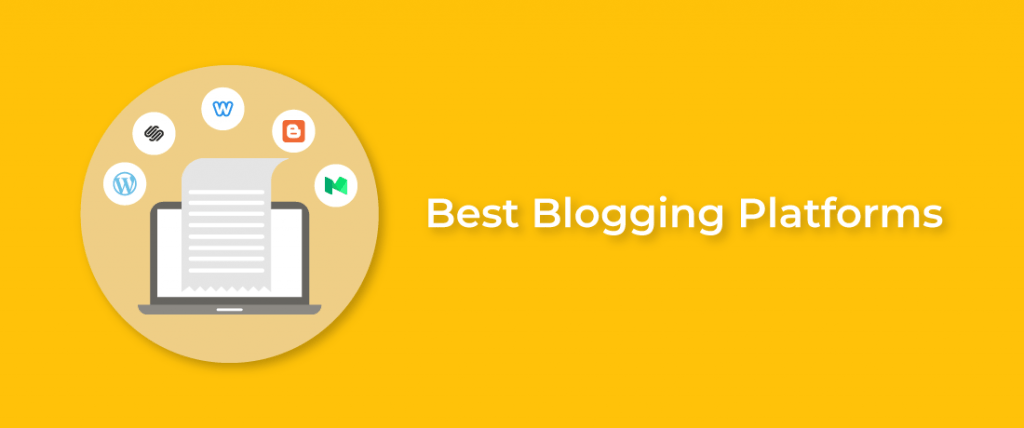
Table of contents
Blogging is a great way to connect with your readers and share your thoughts and ideas with the world. But which blogging platform is the best for you? In this article, we’ll look at four of the most popular platforms and help you decide which one is right for you.
Blogging Platforms
When deciding on a blogging platform, it is important to consider your specific needs. There are a number of different platforms to choose from, and each offers its own unique benefits.
One of the most popular blogging platforms is WordPress. WordPress is a free and open source platform that is very easy to use. It has a wide range of features, including a built-in publishing engine and a host of plugins that can be used to add additional features.
Another popular platform is Blogger. Blogger is owned by Google, and it has been widely used by large news organizations such as The New York Times and BBC. Blogger offers a wide range of features, including an easy-to-use interface and support for ad revenue.
There are also a number of other popular platforms available, including Tumblr, Medium, and Vox Media’s Jolt. Each platform has its own strengths and weaknesses, so it is important to consider which one best suits your needs before making a decision.
1. WordPress
WordPress is one of the most popular blogging platforms in the world. It is easy to use and can be customized to create a website that looks and feels like your own.
WordPress also has a large community of users who can help you with any questions you may have. Additionally, WordPress is free to use, which makes it a great option for budget-minded bloggers.
There are a number of plugins available that will make your blog even more powerful and efficient. For example, a plugin called Yoast SEO will help you optimize your content for search engines.
If you are new to blogging, WordPress is an ideal platform to start with. It is easy to use and has a large community of users who can help you get started quickly.
2. Blogger
If you’re looking for a blogging platform that is both user-friendly and affordable, then you should consider using Blogger. This platform is perfect for beginner bloggers who want to start a blog without spending a lot of money.
Blogger also has a wide range of features that make it perfect for creating a blog. You can create a custom blog theme, add custom graphics, and add social media buttons to your blog. Additionally, Blogger is free to use, which makes it an affordable option compared to other blogging platforms.
If you’re looking for a simple and easy-to-use blogging platform, then Blogger is the perfect choice for you.
3. Medium
If you are looking for a blogging platform that is both user-friendly and versatile, then Medium is the best option for you. It has a wide range of features that will allow you to create a successful blog.
One of the most popular features of Medium is its easy-to-use interface. You can create a blog in just minutes by following the simple instructions on the platform. Additionally, Medium has a built-in audience of millions of people who are interested in your blog topics. This means that your blog will quickly gain popularity among your target audience.
Medium also offers some great tools for bloggers. For example, you can use its embedded videos and images feature to enhance your blog posts. Additionally, Medium allows you to easily share your blog posts on social media platforms.
4. Squarespace
Squarespace is a popular blogging platform that you should consider for your blog.
Squarespace is a well-rounded blogging platform that allows you to create a custom website or blog easily. You can use Squarespace to create a website or blog with a simple user interface.
Most importantly, Squarespace offers a wide variety of features that make it the perfect blogging platform for beginners and experienced bloggers alike. It has an easy to use blog builder that allows you to create beautiful and engaging blogs quickly. Squarespace also offers great support, so if you have any questions or problems, you can contact their support team quickly.
Overall, Squarespace is an excellent blogging platform that offers many features and benefits that make it the perfect choice for your blog.
Conclusion
In this article, we have compiled a list of the top 4 blogging platforms that you should consider if you are interested in starting or expanding your blog. Each platform offers its own benefits and features that might be perfect for your blog, so it is important to choose the one that best suits your needs. Which platform would you like to see on our list? Let us know in the comments below!

Table of contents
Copywriting is an essential part of any content marketing strategy, but what happens when you can no longer afford to hire a copywriter? According to a study by Forbes, the average copywriter’s salary is $75,000. That means that if you’re running a small business and can’t afford to pay someone to write content for you, you might have to turn to AI-powered software.
In this article, we’re going to take a look at some of the most common AI-powered source content tools and see how they can help you create high-quality content without having to spend a fortune on copywriters.
How to source content for your blog or website in 2022
In 2022, the content will be key to success for businesses and individuals. In order to source the best content for your blog or website, you will need to be familiar with different content marketing strategies.
Some of the most popular content marketing strategies include content creation, distribution, and engagement.
To create great content, you will need to have a strong understanding of your audience. You should also be able to identify the trends in your industry so that you can write about topics that are relevant to your readers.
Distribution is another important aspect of content marketing. You will need to find ways to share your great content with your target audience. This could include using social media platforms, creating web pages, or distributing your content through email campaigns.
Engagement is another important factor when it comes to content marketing. You should aim to engage your readers by asking them questions, providing insights on topics that are relevant to them, and creating engaging videos or blogs.
Tips for writing compelling content
When it comes to writing compelling content, there are a few things you can do to help make your writing stand out. First, be sure to focus on the reader. Make sure that you are clear and concise in your writing, and that you always keep the reader in mind.
Second, be sure to use interesting and engaging sources. This will help to keep your readers engaged, and they will be more likely to return to your content. Use sources like news articles, blog posts, and other sources that your readers may find interesting.
Finally, make sure that your content is well-organized and easy to read. This will help to ensure that your readers get the most out of your writing.
How to market your content in 2022
In order to be successful in marketing your content in 2022, you will need to keep up with the latest trends and strategies. Here are some tips on how to market your content in a way that will maximize its impact:
1. Use social media platforms to promote your content. Social media platforms like Facebook, Twitter, and LinkedIn are great ways to reach a large audience quickly.
2. Create blog posts and articles and share them on social media and other online platforms. Creating content that is well-written and easy to read is key to success on social media and other online platforms.
3. Develop marketing campaigns around your content. This can include developing viral content, creating landing pages, and running ads on websites and social media platforms.
4. Use paid advertising to reach a larger audience. Paid advertising can be a cost-effective way to reach a wider audience than traditional marketing methods.
5. Build relationships with other professionals in the industry. This can help you collaborate on content projects, develop new leads, and learn new strategies for marketing your content.
6. Stay up-to-date with the latest trends in the industry so that you can create quality content that stands out from the competition.
By following these tips, you can ensure that your content is effective in marketing in 2022.
The best ways to connect with readers online
When writing for the web, it’s important to connect with your readers as best you can. There are a number of different ways to do this, and each one has its own advantages and disadvantages.
One way to connect with readers is through social media. You can use social media to share articles and other content with your followers, as well as to get feedback on your work. This type of connection is useful for building relationships with your readers and for getting feedback on your work.
Another way to connect with readers is through email newsletters. You can send out email newsletters every week or so, and you can include links to relevant articles in these emails. This type of connection is useful for keeping readers up-to-date on your work and for building relationships with them.
It’s also important to connect with your readers online when you’re writing reviews or articles. When you write a review or an article, it’s important to provide enough information so that readers can understand what you’re talking about. You can do this by linking to relevant articles and providing screenshots or videos if necessary.
How to stay up-to-date with the latest trends
One way to stay ahead of the latest trends is to find source content that discusses the latest topics. There are many online sources that can provide you with this information.
Some popular online sources for source content include blogs, news sites, and magazines. Blogs are a great way to get information about current trends quickly. They are often updated regularly with new information and insights. News sites can also be a good source of information on current topics. They often have reporters who cover different areas of the news, so they are well-equipped to cover current trends. Magazines are another good source of source content. They often have long articles that discuss different topics in depth. This type of article is a great way to learn about current trends and understand them better.
Table of contents
Since the dawn of the internet, SEO has been a key element for website owners looking to rank higher on search engines. But what is AMP and how does it affect SEO? In this article, we will explore all of these questions and provide you with a comprehensive guide on how AMP affects SEO.
What Are AMPs?
AMP stands for “Affiliate Marketing Platform.” AMPs are a type of digital advertising that is owned and operated by the companies that offer them. They are an emerging form of digital advertising, and they have been growing in popularity since their creation in 2013.
There are a few things to consider before using AMPs. First, you need to decide if you want to create your own AMP or use one that is already available. If you create your own AMP, it will be more difficult to rank higher in search engine results pages (SERPs). The second consideration is how much traffic you want to generate from AMPs. This traffic will typically be less than that generated from traditional online advertising, so it is important to weigh the benefits and drawbacks before making a decision.
The main benefit of using AMPs is that they are highly targeted. This means that your ads will only appear on websites that are of interest to you and your potential customers. Furthermore, AMPs have the ability to track conversions better than traditional online advertising. This allows you to measure the effectiveness of your ads and make changes as necessary.
What are their Benefits?
Do AMPs affect SEO? In a word, yes. AMP is an abbreviation for “AMP-Enabled” and it’s a content format that can be used on a website in order to increase the speed of loading times for Google search results. It’s essentially a stripped-down version of a website that can be loaded directly by Google.
AMP benefits include:
– Increased Speed: AMPs are typically 20% to 50% faster to load than the normal version of a website, making them ideal for websites with fast loading times. This can be especially beneficial for mobile devices, where speed is key.
– Reduced Server Load: By stripping down the website to its essentials, there is often less data transferred to and from the server, which can lead to lower server loads and increased performance. This can be especially helpful if your website is struggling under the weight of traffic or if you have limited resources.
– Enhanced Relevancy: By presenting your content in an easy-to-use format, you can ensure that your site remains relevant when users search for information on Google. For example, if you’re looking to improve your SEO ranking, using AMP can help you achieve your goals more quickly and easily.
– Increased Engagement: AMPs can help increase user engagement by providing a simplified version of your website that’s easy to navigate. This can lead to higher levels of conversion and overall brand awareness.
– Reduced Costs: By creating AMPs, you can avoid the costs associated with creating a full website from scratch. This includes the costs of development, hosting, and maintenance.
How Does an Amp Work?
AMP stands for Automatic Music Production. AMPs come in different flavors, but all of them automate music production tasks to some extent. They can include things like creating tracks, mixing songs, and producing albums. While they may not be essential for SEO, AMPs can help you speed up your workflow and produce better music.
The verdict is still out on whether or not AMPs affect SEO. Some experts say that they do not have a significant impact, while others say that they can help improve rankings. Ultimately, it’s up to each website’s individual SEO strategy to determine whether or not using AMPs will help them rank higher in search engines.
Is AMP Really Effective for SEO?
AMP (Accelerated Mobile Pages) are a new web format that allows content to be loaded quickly from a website onto a phone. AMP is designed to help websites load faster on mobile devices, and some believe that it can help improve SEO.
AMP can help improve page load times on mobile devices. According to a study from PageSpeed Insights, AMP pages loading times were 9.1% faster than non-AMP pages in July 2018. In addition, AMP pages have a higher click-through rate (CTR) than non-AMP pages. This suggests that people are more likely to click on an AMP page than a non-AMP page.
AMP can also help improve SEO. First, AMP pages are typically indexed more quickly by search engines. Second, AMP content is typically indexed differently than traditional web content. This means that it is easier for search engines to find and index AMP content. Therefore, AMP may help improve SEO by making it easier for people to find your website and access your content.
What are the Downsides to using AMPs?
There are a few downsides to using AMPs. First, they can be gimmicky and difficult to measure. Second, they can be a waste of time and resources if they don’t result in an improvement in ROI. Third, since AMPs are typically served directly from Google, they may not be as effective as other forms of SEO when it comes to improving SERPS rank.
Overall, the main downside to using AMPs is that they may not be as effective as other forms of SEO when it comes to driving traffic and conversion rates.
Conclusion
AMP (Accumulated Daily Pounds) is a measurement of how much weight you have lost on the ketogenic diet. While it’s certainly not mandatory to track your AMP, doing so can help motivate and encourage you to stick with the ketogenic lifestyle. Not only will tracking your progress give you some tangible evidence that you are making progress, but it can also provide encouragement when days seem tough. After all, if losing weight is hard work then maintaining your weight loss will be even harder!
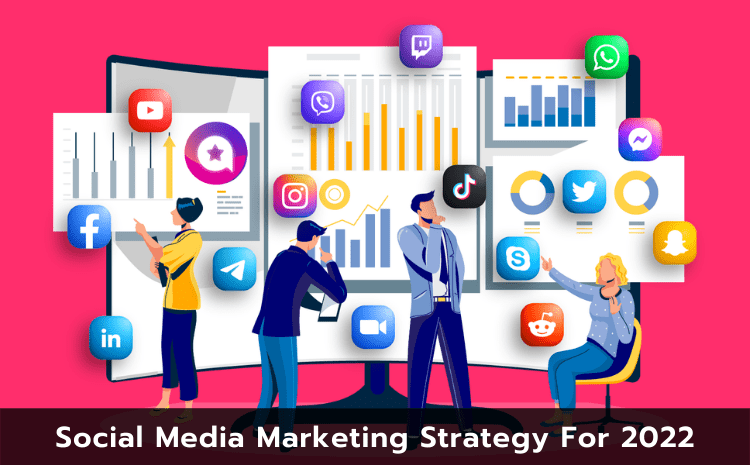
Table of contents
As we move into 2022, social media marketing will continue to be an important part of any small business’ marketing strategy. With over 2.2 billion active users on Facebook, Twitter, and Instagram combined, these platforms are sure to still be a powerful tool for promoting your company and reaching new customers. In this article, we’ll explore some of the social media marketing trends that you’ll want to keep an eye on in the coming year.
How to Use Social Media for Business
1. When used correctly, social media can be a powerful tool for businesses.
There are a number of ways that social media can be used for business purposes. For example, it can be used to build relationships with customers and potential customers. It can also be used to promote products and services.
2. It is important to understand the different types of social media platforms.
Social media platforms include websites like Facebook, Twitter, and LinkedIn, as well as apps like Instagram and Snapchat. Each has its own advantages and disadvantages. For example, Facebook is good for building relationships with customers and potential customers, while LinkedIn is better for promoting products and services.
3. It is important to create a social media marketing plan.
This plan should include a strategy for promoting products and services on social media, as well as a plan for building relationships with customers and potential customers.
A social media marketing plan includes objectives, strategies, and measurements. The objectives of a social media marketing plan might include increasing brand awareness or sales. The strategies might include posting content frequently or using targeted ads. The measurements might include the number of followers or likes on posts, the amount of traffic generated from posts, or the number of leads generated from ads.
4. It is also important to monitor and measure the success of social media campaigns.
This can be done by tracking key metrics, such as the number of followers or followers per post, the number of Likes or shares on posts, and the number of comments on posts.
Social Media Marketing Trends to Watch For
1. In recent years, social media marketing has become increasingly important for businesses of all sizes. Here are some social media marketing trends to watch for in the coming years:
2. More and more companies are using social media platforms to interact with their customers. This includes not only posting content but also responding to customer comments and questions.
3. Social media platforms are being used more and more as a way to market products and services. Businesses can use social media to create hype around new products or services and then sell them directly to consumers via these platforms.
4. The use of social media platforms by businesses is likely to continue increasing in the coming years. As such, it is important for businesses to make sure they have a strategy in place for using these channels correctly.
5. Social media marketing is becoming more complex, and businesses need to be sure they have the right tools and resources in place to manage their accounts effectively. This includes not only managing content but also monitoring trends and analytics to ensure that their campaigns are working as planned.
Tips for Creating Effective Social Media Ads
When it comes to social media marketing, it’s important to focus on creating effective ads. Here are some tips for doing just that:
1. Make your ads relevant. Your ad should be tailored to the audience you’re targeting. For example, if you’re targeting a brand’s Instagram followers, make sure your ad is relevant to their interests.
2. Use images and videos. Images and videos are two of the most effective ways to capture attention on social media. Use them to illustrate your points, show off your product or services, or simply engage with your audience.
3. Use hashtags wisely. When you create an ad, include relevant hashtags in order to increase the chances that people will find and interact with your ad.
4. Monitor results regularly. Keep a close eye on the results of your ads in order to determine which ones are working best and make necessary adjustments.
The Future of Social Media Marketing
In recent years, social media has become an essential part of many people’s lives. It’s no surprise, then, that social media marketing has become one of the most popular forms of marketing.
There are a number of reasons why social media marketing is so successful. First, it’s easy to use. Anyone can create a social media account and start posting content. Second, social media platforms are interactive. People can share their thoughts and opinions on whatever topic is in the news or of interest to them. This helps to generate excitement about products and services.
Finally, social media marketing is cost-effective. You can create content that is specific to your target audience and distribute it through social media platforms free of charge. This makes it an attractive option for small businesses and entrepreneurs who don’t have the funds to hire a full-time marketing specialist.
So if you’re looking for a way to reach your target audience, social media marketing is a great option.
Conclusion
In the year 2022, social media will continue to be a powerful tool for businesses and individuals looking to connect with their customers. As we all know, technology has always been ahead of the curve when it comes to marketing, so there are no doubt going to be some amazing new trends in social media marketing by the end of the year. Keep your eyes peeled for things like gamification, augmented reality, and artificial intelligence (AI) — these technologies have the potential to really change how we interact with brands online. So whether you’re looking to take your business online or stay up-to-date on the latest social media marketing trends, make sure you check out our blog regularly!
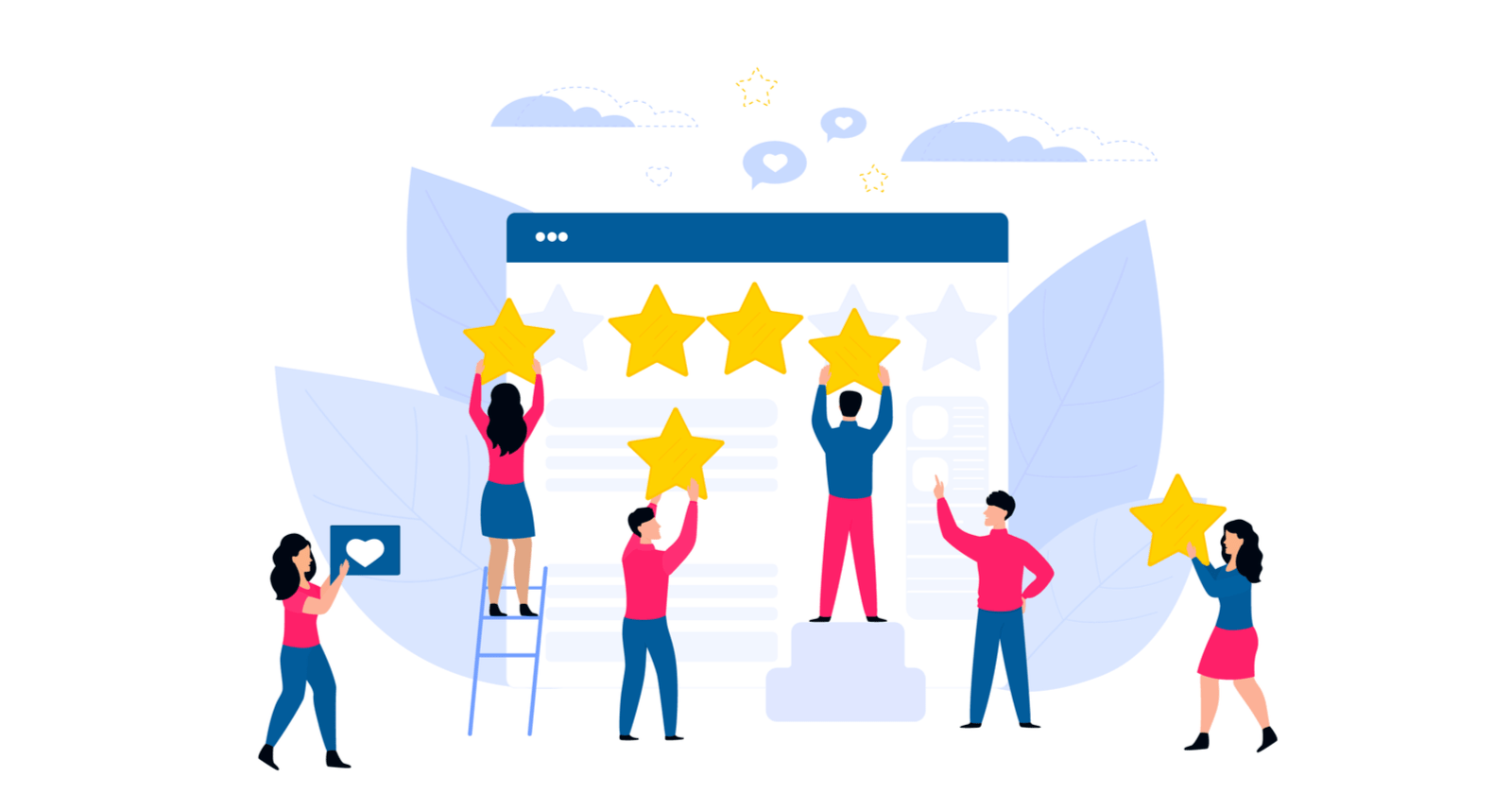
Table of contents
Google has long been known as the go-to search engine for finding information on the internet, and with good reason! By using certain keywords and phrases in your website’s title tags, meta descriptions, and other online content, you can improve your chances of ranking high in Google search results. But what about reviews?
Online reviews are one of the most powerful tools that you can use to improve your SEO and Google rankings. Not only do they help people find your business or product easier, but they can also generate leads for you. Plus, reviews from happy customers can create word-of-mouth buzz that can help drive more traffic to your website.
What is SEO?
SEO (search engine optimization) is the practice of improving the visibility and ranking of a website or web page in search engine results pages (SERPs), often through the use of keywords. In layman’s terms, SEO is all about making sure your website is as visible as possible to potential online shoppers, so you can rank higher in search engine results pages (SERPs).
There are many factors that go into determining a website’s SEO ranking, but one of the most important is the quality of its online reviews. According to studies conducted by Google and other leading search engines, up to 80% of a website’s overall traffic can be attributed to positive reviews. In other words, if a site has consistently positive reviews from satisfied customers, it’s more likely to rank higher in search engine results pages (SERPs).
It should come as no surprise then that businesses that focus on online reviews and SEO rankings achieve better results than those that don’t. By cultivating an online review policy that includes rewarding reviewers for their feedback, businesses can increase their SEO and online reputation while also creating a loyal customer base.
Why use online reviews?
Online reviews are an excellent way to improve your SEO and Google rankings. They can help you to differentiate your website from the competition and boost traffic. Additionally, online reviews can help you to build trust and rapport with potential customers.
What are the benefits of online reviews?
Online reviews can help your business with a few things. First, they can help improve your SEO. Second, they can boost your Google rankings. Finally, online reviews can be a valuable tool for customer feedback. Here are some of the benefits to using online reviews:
1. Improves SEO: One of the best ways to improve your SEO is to get positive reviews from other websites. Positive reviews will help increase your rank in search engine results pages (SERP).
2. Boosts Rankings: Getting high-ranking results in Google is important for businesses of all sizes. With good SEO and Google rankings, you’ll be more visible to potential customers and find it easier to attract new ones.
3. Provides Customer Feedback: Online reviews are an excellent way to provide customer feedback and improve the quality of service you offer. By gathering customer feedback through online reviews, you can learn what needs to be improved and make changes before someone has a negative experience.
4. Increases Customer Loyalty: By providing high-quality customer service and keeping your customers happy, you can increase their loyalty and overall spending. This can be a real boon to your business, as customers are more likely to recommend your business to their friends and family.
How do online reviews help SEO and Google Rankings?
Since Google is such a big part of the online world, it’s no wonder that they care about reviews. Reviews can help your website rank higher in Google search results, and they also help improve your SEO.
When someone conducts a Google search for a product or service, the first few pages of results are typically dominated by websites with high-quality reviews. This is because Google rewards websites that have high-quality content on their site.
If you’re looking to improve your website’s SEO, then you should make sure to add reviews to your site. Not only will reviews help your website rank higher, but they’ll also help people learn more about your products and services.
So if you’re looking to increase traffic to your website and improve your overall ranking in Google, make sure to add reviews to your site!
How to Get More Reviews on Your Website
Getting reviews from your website is an important part of SEO and Google Rankings. Reviews can help people learn about the products or services you offer and whether they should consider them. They can also help you improve your website’s credibility and trustworthiness.
To get reviews, start by thinking about the types of people who might be interested in your products or services. You can then target your marketing efforts accordingly. You can also create a review request form on your website or contact customers who have already purchased from you to ask for their feedback.
By promoting reviews on your website and using them to improve your SEO and Google Rankings, you’ll help increase the visibility of your business and attract new customers.
Conclusion
Online reviews are an incredibly valuable tool for both businesses and individuals looking to improve their online presence. Not only do online reviews help SEO, but they can also help Google Rankings. By reading and responding to online reviews, business owners can show that they value their customers and are committed to addressing any issues or concerns that may arise. In addition, customer service skills can be improved by learning how to address customer complaints in a professional manner.

Table of contents
We hear it every day, our emails are filled with promotional offers asking us to get these services. But honestly, what does a business stand to gain in having a website? Well, we hope this helps to answer that question. Here’s why you should consider getting a website for your business and most importantly, at a trusted web design company in Nairobi.
First things first, here’s how the online landscape looks in Kenya. According to a recent study by DATA REPORTAL, an impressive 21 million-plus Kenyans use the internet. A 2020 MasterCard Survey shows that 79 % more Kenyans use the internet to shop for products since the pandemic started.
Google is the number one search engine in Kenya with over 90% of the market share. Young millennials who are the highest number of online shoppers google just about anything and everything.
They are an informed and tech-savvy generation who do research before purchase. From where to buy the latest PS5 Game Consul to the best University to study in, the internet is their first stop for inquiries.
Visibility
This is where having a website comes in. Your business is almost as good as nonexistent if you lack an online presence. Visibility is key if you really want to stand out from the competition.
There can be five stores lined up on Luthuli Avenue, selling the same electronic products at competitive prices. The business that choses to invest their online presence will diversify its market reach.
So many businessmen admit that most of their customers found out about them by searching on the internet or on online market places. Interestingly, we also know that at some point in time you’ve also looked up for Best Web Design Company in Nairobi. Take your business to them.
Do I really need a Website from a web design company if I am already meeting sales Targets?
Okay, so your business is doing well even without a website. You are meeting targets but honestly, there’s a whole other aspect of having a website that you are missing. Websites are not only used to drive sales.
Have 24/7 Presence
It’s very costly to run your business 24 hours a day, 7 days a week. This means having a robust team of employees who can cover day and night shifts. This results to double wage expenses, double electricity and other operational costs. It’s not practical for Small businesses.
On the other hand you stand to have increased returns if you can run for longer. Having a website for E Commerce means clients can make purchases even when your physical doors close. Through integrated features like Automated ChatBots, clients can get feedback on queries.
Saves Time
Most of the work a business owner does in a day consist of talking to potential customers. With a website, you can save time on answering common inquiries by publishing information on the FAQ segment. This contains answers to most of the frequently asked questions. Clients can get their questions sorted in no time with this info.
Through online forms, you can also get the important client details you need to make a successful pitch. Pop up messages can also request for client information and direct them to post their query by providing multiple options which lists categories of problems.
Narrowing down to specific problems helps you save on time. Reading long emails about a simple query whose solution is listed on the FAQ section isn’t the most fun thing to do.
Building Credibility
It’s one of the best ways to let your customers know that you are a legit business. A website screams professionalism and legitimacy, it’s the first contact between consumers and the organization. Think about that potential customer in Mombasa who wants to know what you can offer without traveling all the way to Nairobi. A website is an online portfolio of your work which gives you the opportunity to put your best foot forward.
There are so many reasons why you need to get a website, these should help you make an informed decision. At Ace Solution Africa, we listen to your needs as a business and come up with tailor made solutions that will get you results. We are a leading web design company in Nairobi with a high customer satisfaction rate. Contact us today and see the transformation.

Table of contents

Just before you settle on who you want to hire for your project, you ought to first know what you require from web design companies. You need to note the major objectives you require the website to achieve. Any investment made by a business is solely for the purpose of bringing some value back to the business. With that said, it is important to know what you need your site to achieve for you before you splash that income.
Objectives That Guide Your List of Web Design Companies in Kenya
We’ve sampled some of the most important goals that a good website should meet for your business. Ranging from the generic ones that apply to most businesses to the more specific ones. Here’s a low-down of what you should consider as you arrive at a list of web design companies to consider.
Creating Brand Awareness
Having a website should help you make your brand more visible online. Take the internet as some digital planet and your business as a location on the same. Your website is your address on this newfound planet, you simply don’t exist digitally if you have no presence online. That been said, to get more people to visit you and know about what you have to offer, you need a website.
Informational Resource Center
Websites serve as the first go-to source of information that comes to clients first when they are doing research. This is where you take advantage of good content and leverage on SEO. Your website might be the first one that pops out when someone clicks search on Google.
Creating industry-related content that seeks to offer solutions to some commonly asked questions. A website not only relays communication concerning the business’s service or product, but it is also a tool for inspiration and education.
Generating more leads and converting them
Alright, this is probably the most important goal for a business website. Getting more leads is made easier by utilizing forms and other tools that capture visitor data. This information can be used by the sales team for follow-up on prospective clients.
Conversion rates are much higher when you make tailor-made content that suits the client’s needs. Pitching and advertising are made easier by setting up good content that sways the visitor’s opinion towards trying out your service or product.
Specific Industry related Needs
Now according to what specific service you offer, you’ll require the designer to come up with a layout that helps you meet your business objectives. On the dashboard, for example, you might need a Portfolio section if you are a freelancer, this won’t be necessary for a person who sells merchandise like cars. Different businesses will have specific bespoke needs. Look at what competitors are doing and find out if it’s effective before you settle on all the features for your website.
Now that you have discovered what you really need, it will help you narrow down your list of web design companies in Kenya.
It’s time to look into specific web designing companies’ portfolios. Check whether they have worked with businesses in your industry. This will help you get to know whether they understand specific industry requirements for businesses in a certain profession or market segment. Testimonials from previous clients help you gauge the ease of doing business with this designer and the ability to deliver.
Getting a developer that can deliver good quality in good time is not easy to come by so this might be the determining factor on who you go with. Creating a list of web designers in Kenya to choose your preferred developer isn’t as hard as it seems.
When you’ve narrowed it down to a few, it is good to call all of them up or send similar emails to gauge their understanding of your project. Finally, settle on your last two and make physical visits to their offices if need be.
This helps you to meet the team that will be working on your project and get a feel of their ability to deliver. With all that behind you, it is safe to say that you have created your perfect list of web design companies in Kenya and chose what worked best for you.
Good luck in your search, remember to have one Ace Solution Africa on your list though, you won’t be disappointed.
Related Posts



Ready to Get Started?
Let's Build a Website That Works for Your Business
Whether you need a professional business website, an ecommerce store, a corporate website, or a complete digital growth strategy, our experienced team is ready to help you achieve your business goals online.
View Our Recent Projects
Explore websites we've designed for businesses across different industries and discover what's possible.
View ProjectsBook a Free Discovery Call
Speak with one of our website consultants, ask questions, and get expert guidance before making your decision.
Book a Free Call