Ready to Build a Professional Ecommerce Website?
Transform your business with a secure, mobile-friendly online store designed to attract customers, increase sales, and support long-term growth.
Request a Free Consultation
For many small and medium-sized businesses in Kenya, having a professional website is no longer optional. Customers increasingly search online before making purchasing decisions, and businesses without a strong digital presence risk losing opportunities to competitors. However, many SMEs need quality websites while working with limited marketing budgets.
This is where affordable website development becomes important. However, affordable does not mean choosing the cheapest option. A low-cost website with poor performance, limited features, or no room for growth can become more expensive through redesigns, lost enquiries, and missed opportunities.
The best affordable web developers in Kenya understand that SMEs need websites that deliver real value. A successful website should combine professional design, mobile responsiveness, good user experience, basic SEO, security, and the flexibility to support future growth.
With many website developers offering different packages and prices, choosing the right partner can be challenging. This guide explains what to look for in affordable website development, how to compare options, and how to choose a website solution that supports long-term business growth.
If you’re looking for a broader understanding of how professional websites are planned, designed, developed, launched, and maintained, read our complete guide to Website Development in Kenya.
Whether you're launching a new business or upgrading your current website, we help Kenyan SMEs build professional, SEO-friendly websites that balance affordability, quality, and long-term growth.
When businesses search for affordable web developers in Kenya, affordability is often linked to finding the lowest price. However, a truly affordable website is not simply the cheapest option available. It is a solution that provides the right balance between cost, quality, functionality, and long-term value.
For small and medium-sized businesses, the goal should be to invest in a website that supports business objectives without paying for unnecessary features. An affordable website should create a professional online presence, build customer trust, and generate opportunities for enquiries and growth.
A quality affordable website should include essential elements such as:
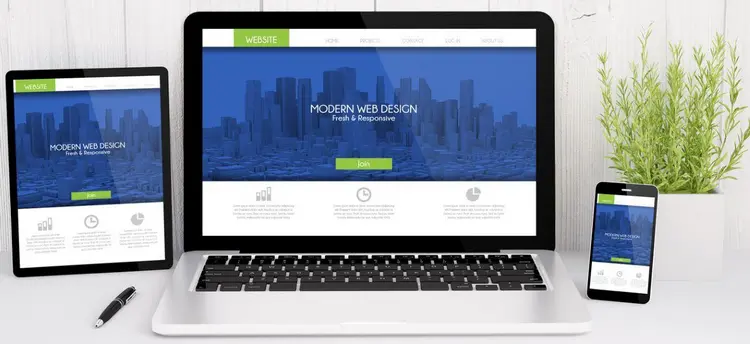
Most customers access websites through mobile devices. An affordable website should provide a smooth experience across smartphones, tablets, and computers while maintaining a professional design that represents the business brand.
A website should include important features customers need, including service pages, contact options, enquiry forms, WhatsApp integration, Google Maps, and clear calls-to-action that encourage engagement.
Although advanced SEO campaigns are separate services, affordable website development should include a basic SEO foundation. This includes proper page structure, mobile responsiveness, good loading performance, and technical settings that help search engines understand the website.
Affordable does not mean temporary. A good website should include security features such as SSL protection and allow businesses to add new pages, services, and marketing tools as they grow.
The most affordable website solution is one that delivers long-term value. SMEs should focus on finding website developers in Kenya who understand their goals and provide a reliable solution that supports business growth within their budget.
If you’re comparing different website options, explore our professional website design packages to see what features are included for businesses at different stages of growth.
Small and medium-sized businesses (SMEs) are a key part of Kenya’s economy, but many face challenges competing with larger companies that have bigger marketing budgets and stronger online visibility. An affordable professional website gives SMEs an opportunity to build credibility, reach more customers, and compete in today’s digital marketplace.
Many customers now search online before contacting a business. Whether looking for a service provider, supplier, or local company, a website often creates the first impression. Without a reliable online presence, SMEs risk losing potential customers to competitors who are easier to find online.
Affordable website development allows businesses to access professional web solutions without investing beyond their current budget. Instead of paying for unnecessary features, SMEs can focus on essential elements that deliver value, including:
A website is more than a digital brochure. It can support marketing campaigns, generate enquiries, showcase expertise, and help businesses build stronger customer relationships.
However, affordability should always be balanced with quality. A poorly developed website may appear cheaper initially but can lead to performance issues, security problems, and additional improvement costs.
The right affordable website solution allows SMEs to start professionally and grow gradually. By working with an experienced affordable web developer in Kenya, businesses can establish an online presence that supports long-term growth without overspending.
An affordable business website should provide the essential features needed to build credibility, attract customers, and support business growth. While SMEs may not need complex systems from the beginning, they still need a website that is professional, reliable, and designed for future expansion.
Many businesses focus only on the initial website development cost. However, the true value of a website comes from how effectively it helps achieve business goals. A well-planned affordable website should include the following essential elements:
An affordable website should still have a modern and professional appearance. The design should represent the business brand, make information easy to find, and create a positive first impression for potential customers.
Most customers browse websites using smartphones. A professional affordable website should automatically adjust to different screen sizes, allowing visitors to easily view services, access information, and contact the business from any device.
A small business website should include key pages customers expect, such as:
An effective website should guide visitors toward taking action. Important features include:
These elements help convert visitors into potential customers.
Although ongoing SEO requires additional effort, affordable website development should include a strong SEO foundation. This includes search-friendly page structures, proper titles and descriptions, mobile optimization, fast loading speeds, image optimization, and technical settings that help search engines understand the website.
For businesses looking for a flexible and SEO-friendly content management system, our WordPress website development services provide a scalable solution that can grow with your business.
A professional website should include SSL protection, secure hosting, backups, and maintenance practices. It should also allow businesses to add new pages, services, ecommerce features, integrations, and marketing tools as they grow.
The best affordable website solution provides the tools businesses need today while creating a foundation for future growth. SMEs should focus on value, usability, and flexibility rather than choosing the lowest price alone
One of the biggest challenges SMEs face when planning a website is choosing the right solution. Many businesses either invest in unnecessary features or choose basic websites that do not provide enough value. The best approach is selecting an affordable website package that matches the current stage of the business while allowing room for future growth.
Affordable website packages should include the essential features businesses need to build credibility, attract customers, and generate enquiries online. The right option depends on factors such as business size, number of services, marketing goals, and future expansion plans.
A starter website package is ideal for businesses that need a professional online presence without complex functionality. It provides the foundation needed to introduce the business, showcase services, and help customers get in touch.
A professional starter website should typically include:
This option is suitable for startups, consultants, professionals, and small businesses building their online presence.
Growing businesses often need websites that do more than provide information. A business website package helps companies improve online visibility, engage customers, and generate more enquiries.
Additional features may include:
This package is suitable for established SMEs that want their website to become an active marketing tool rather than just an online profile.
A premium website package is designed for businesses that need a more advanced digital presence. These companies may require customized layouts, stronger branding, advanced functionality, or integrations with other systems.
Premium solutions may include:
This option is suitable for businesses that view their website as a long-term investment and an important part of their growth strategy.
The best website package is not always the most expensive option. Businesses should choose a solution that provides the features they need today while allowing future improvements as they grow.
To help you compare features and pricing, view our affordable website packages for Kenyan businesses and choose the option that best matches your goals and budget.
For SMEs, affordable website development means finding the right balance between cost, quality, functionality, and long-term value. A well-planned website should support customer acquisition, strengthen online visibility, and provide a foundation for future digital marketing activities.
Our team can help you compare website packages and recommend the most suitable option based on your business goals, budget, and future growth plans.
When searching for affordable web developers in Kenya, many businesses focus mainly on finding the lowest price. While managing costs is important, the cheapest website solution does not always provide the best value. A website represents your business online, and choosing the wrong option can lead to additional costs, missed opportunities, and future redesign expenses.
The difference between affordable and cheap website development comes down to quality, functionality, and long-term value.
| Cheap Website Development | Affordable Website Development |
|---|---|
| Focuses mainly on the lowest price | Focuses on the right balance between cost and quality |
| May involve limited planning | Includes solutions based on business needs |
| May lack important features | Includes essential website features |
| Often ignores SEO and performance | Includes an SEO-friendly foundation |
| Limited support after launch | Provides ongoing support options |
| May require rebuilding later | Designed for future improvements |
A cheap website may seem attractive because of its lower upfront cost, but businesses should consider what they are actually receiving. Important features such as mobile responsiveness, security, professional design, SEO setup, and support may be missing or added later at extra costs.
An affordable website focuses on delivering the features that provide real business value. It avoids unnecessary complexity while ensuring the essential elements are in place to help the website perform effectively.
For example, a small business may not need advanced systems when starting out, but it should still have a website that:
SMEs should also consider the long-term cost of ownership. A poorly developed website may require frequent repairs, redesigns, or replacement, making the original low-cost option more expensive over time.
Affordable website development is about investing wisely in a reliable website solution that supports business goals while staying within budget. Understanding this difference helps businesses choose the right website partner for sustainable online growth.
Finding an affordable website developer in Kenya requires looking beyond the initial price. While budget is important for SMEs, the right developer should provide a solution that meets business needs, delivers long-term value, and avoids unnecessary costs in the future.
A professional affordable website developer should clearly explain what is included in the project and recommend a solution based on your business goals. Before making a decision, consider these important factors:
A developer’s portfolio shows their design quality, technical ability, and experience with different businesses. Review live websites they have created and consider factors such as mobile responsiveness, loading speed, design quality, and ease of navigation.
Website packages vary between providers. Before choosing a developer, confirm what is included, such as:
Clear deliverables help avoid unexpected costs later.
The cheapest quote is not always the most affordable option. A slightly higher investment in quality design, performance, support, and scalability can provide better value over time.
Businesses should consider whether the website will help attract customers, generate enquiries, and support growth.
A reliable developer should communicate clearly, provide project updates, answer questions, and offer support after launch. Good communication is especially important for SMEs without technical expertise.
Businesses should have access to their website, domain, hosting accounts, and important website assets. The website should also allow future improvements, including new pages, features, and marketing tools.
A developer familiar with your industry can provide better recommendations and create a website that matches customer expectations.
Choosing an affordable website developer is about finding the right balance between cost and quality. SMEs should work with a partner who provides a professional website solution, reliable support, and the ability to support long-term business growth.
Keeping website costs under control is important for SMEs. However, focusing only on the lowest price can lead to decisions that become more expensive over time. Understanding common mistakes helps businesses invest in websites that provide lasting value.
The lowest quotation is not always the best option. A website should be evaluated based on its features, quality, support, and long-term value—not only the initial cost.
Some low-cost website packages exclude important services such as mobile responsiveness, SSL security, basic SEO setup, backups, or technical support. Always confirm exactly what is included before making a decision.
A website should support business growth. Choosing a solution that cannot accommodate new pages, services, ecommerce features, or marketing tools may result in costly redesigns later.
Before hiring a website developer, review their portfolio and live websites where possible. This helps you evaluate design quality, usability, and whether their experience matches your business needs.
Businesses should confirm ownership of their website, domain, hosting accounts, and other important assets. They should also understand what support is available after launch.
Avoiding these mistakes allows SMEs to choose an affordable website developer who provides professional results, transparent pricing, and long-term value. The right website is not simply the cheapest option—it is a solution that helps businesses build credibility, attract customers, and grow sustainably.
Finding an affordable website developer is not only about comparing prices—it is about choosing a partner that delivers long-term value. At Ace Solution Africa, we help SMEs build professional websites that balance affordability, quality, and business growth.
With over 15 years of experience in website design, website development, SEO, and digital marketing, we understand the challenges businesses face when creating or upgrading their online presence. Our affordable website solutions provide the essential features businesses need today while allowing room for future growth.
Businesses choose Ace Solution Africa because we deliver:
We do not believe in one-size-fits-all solutions. We take time to understand each business, industry, and objective before recommending the most suitable website package. This helps clients invest in the right solution without paying for unnecessary features.
Whether launching a new business, improving an existing website, or looking for a scalable online solution, Ace Solution Africa provides practical and results-focused website development services.
Affordable website development should never mean sacrificing quality. Our goal is to help SMEs build a professional online presence that builds trust, attracts customers, and supports sustainable growth.
Get a professionally designed website tailored to your business goals, budget, and future growth. We'll help you choose the right package without paying for features you don't need.
The cost depends on factors such as the number of pages, design requirements, features, integrations, and support included. SMEs should compare the value provided in each package rather than choosing based only on the lowest price.
Yes. An affordable website can have a modern, professional design that reflects your brand and builds customer confidence. Affordability means choosing the right features without paying for unnecessary complexity—it does not mean reducing quality.
A professional affordable website package should typically include:
Always confirm the full list of deliverables before choosing a package.
Yes. A well-built website should allow future improvements, including additional pages, services, blog content, ecommerce features, booking systems, and other business tools without requiring a complete rebuild.
No. Cheap websites focus mainly on reducing the initial cost, often at the expense of quality, features, or support. Affordable websites focus on achieving the right balance between price, functionality, reliability, and long-term value.
The timeline depends on the website size, content availability, and required features. A standard business website may take a few weeks, while more complex projects may require additional time. A professional developer should provide a clear schedule before starting.
A professional website helps SMEs build credibility, attract customers, generate enquiries, and support digital marketing efforts. It provides a central online presence where customers can learn about the business and take action.
Understanding these questions helps SMEs choose an affordable website solution that meets their current needs while supporting future growth.
Choosing an affordable web developer in Kenya is about making a smart investment, not simply selecting the lowest quotation. For SMEs, a professional website should build credibility, attract customers, generate enquiries, and support long-term business growth.
When comparing website developers, consider what is included in each package, the quality of previous work, ongoing support, and the ability to understand your business goals. A well-planned website project will deliver better results than choosing the cheapest option without considering quality or future needs.
Whether launching a new website or upgrading an existing one, investing in a professionally developed, SEO-friendly, and mobile-responsive website can help your business compete effectively online.
If you need an affordable website solution that combines professional design, practical features, and long-term value, Ace Solution Africa is ready to help. Explore our website packages or request a personalized quotation to find the right solution for your business goals and budget.
Build a website that works for your business—not just your budget.
Hiring a website developer is one of the most important decisions you’ll make for your business. The right developer can help you build a professional website that strengthens your brand, generates quality leads, improves customer experience, and supports your business growth for years to come. The wrong choice, however, can lead to missed deadlines, poor website performance, hidden costs, security issues, and the need for an expensive redesign sooner than expected.
With hundreds of freelancers, web design agencies, and website development companies in Kenya offering similar services, knowing who to trust isn’t always easy. Attractive designs and low prices may seem appealing, but a successful business website requires much more than good looks. It should be fast, mobile-friendly, search engine optimised, secure, easy to manage, and designed with your business goals in mind.
Whether you are launching your first website, redesigning an existing one, or planning an ecommerce store, taking time to evaluate your options will save you money, reduce risk, and help you choose a development partner who understands your business.
In this article, we share practical advice based on more than 15 years of experience developing websites for businesses across Kenya and beyond. You’ll learn what to look for in a website developer, the questions to ask before signing a contract, common mistakes to avoid, and how to confidently choose a partner who can deliver a website that not only looks professional but also helps your business grow.
Before making your final decision, use this guide as your checklist for selecting the right website developer for your business.
Looking for an experienced website development company in Kenya? We design fast, mobile-friendly, SEO-ready websites that help businesses generate more enquiries, build credibility, and grow online.
Choosing the right website developer can have a lasting impact on your business. A professionally developed website does more than establish an online presence—it helps build trust, attract qualified customers, and support long-term business growth.
In this guide, you’ll learn how to confidently evaluate website developers, compare proposals, avoid costly mistakes, and choose a development partner who understands your business objectives.
In this guide, you’ll discover how to:
Many business owners believe that once a website is online, the job is done. In reality, the success of your website depends largely on who builds it. A professional website developer doesn’t just create attractive pages—they build a digital platform that supports your business objectives, delivers a great user experience, and helps turn visitors into customers.
Your website is often the first interaction potential customers have with your business. Within seconds, visitors decide whether your company appears credible, professional, and trustworthy. A poorly designed or slow-loading website can drive potential customers away before they even learn about your products or services. On the other hand, a well-built website creates confidence, communicates your value clearly, and encourages visitors to take the next step, whether that’s requesting a quotation, making a purchase, or contacting your team.
The right website developer also understands that design is only one part of a successful website. They consider important factors such as mobile responsiveness, website speed, search engine optimization (SEO), security, accessibility, user experience, and future scalability. These elements work together to improve your visibility on Google, provide a better experience for users, and support your long-term business growth.
Choosing an experienced developer can also save your business significant time and money. A quality website built correctly from the beginning is easier to maintain, more secure, and less likely to require expensive repairs or a complete redesign after a short period. It also gives you a solid foundation for future improvements, such as adding ecommerce functionality, online booking systems, customer portals, or digital marketing campaigns.
Rather than viewing a website developer as someone who simply builds a website, think of them as a long-term business partner. The best developers take time to understand your business, recommend the right solutions, and provide ongoing support as your business evolves.
Ultimately, your website is an investment in your business’s future. Choosing the right website developer increases your chances of attracting more visitors, generating quality leads, strengthening your brand, and achieving a better return on your investment.
One of the biggest misconceptions among business owners is that a website designer and a website developer perform exactly the same role. While these terms are often used interchangeably, they involve different skills and responsibilities. Understanding the difference will help you choose the right professional for your project and avoid costly misunderstandings.
A website designer focuses primarily on the appearance and user experience of a website. They determine how the website looks, how information is organised, the colour scheme, typography, images, and the overall layout. Their goal is to create a website that is visually appealing, easy to navigate, and aligned with your brand identity. A good designer considers how visitors interact with your website and ensures that it provides a positive experience across desktops, tablets, and mobile devices.
A website developer, on the other hand, is responsible for turning those designs into a fully functional website. Developers build the technical foundation of the site, ensuring that pages load quickly, forms work correctly, security measures are in place, and integrations such as payment gateways, customer portals, booking systems, and third-party applications function seamlessly. They also ensure that the website is scalable and can support future business growth.
Today, many professional web development agencies—including Ace Solution Africa—provide both design and development as part of a complete website solution. This means clients benefit from a collaborative team that considers both aesthetics and functionality from the beginning of the project.
| Website Designer | Website Developer |
|---|---|
| Website Designer | Website Developer |
| Creates the visual appearance of the website | Builds the technical functionality of the website |
| Focuses on branding, colours and layout | Focuses on coding, performance and integrations |
| Designs user experience (UX) | Develops website features and functionality |
| Website Designer | Website Developer |
| Creates page mock-ups and prototypes | Implements the approved designs |
| Ensures the website is visually appealing | Ensures the website works efficiently and securely |
| Focuses on user interface (UI) | Focuses on website performance and scalability |
Depending on the complexity of your project, you may also work with specialists who contribute to different aspects of your website.
A WordPress developer specialises in building and customising websites using the WordPress platform. They can develop custom themes, plugins, WooCommerce stores, and advanced website functionality while ensuring your website remains secure and easy to manage.
An ecommerce developer focuses on building online stores. They configure shopping carts, payment gateways such as M-Pesa and card payments, inventory management, shipping options, customer accounts, and other ecommerce features that help businesses sell products online.
A User Interface (UI) and User Experience (UX) designer studies how visitors interact with a website. Their goal is to make navigation simple, improve usability, and increase conversions by creating a smooth and enjoyable browsing experience.
A professional website should be built with search engines in mind. An SEO specialist helps ensure your website follows Google’s best practices, loads quickly, uses proper page structure, and targets the keywords your customers are searching for. SEO should not be treated as an afterthought—it should be considered during the planning and development stages.
Many businesses hire a freelancer who only focuses on design or basic website development, only to discover later that they also need help with SEO, content strategy, website security, speed optimization, hosting, maintenance, and digital marketing.
Choosing a full-service website development company gives you access to a team with expertise across multiple disciplines. This not only saves time but also ensures that every aspect of your website works together to support your business objectives. Instead of coordinating several different service providers, you have one trusted partner responsible for delivering a professional, high-performing website.
Before comparing website developers or requesting quotations, take a step back and define what you want your website to accomplish. The most successful website projects begin with clear business objectives—not with discussions about colours, layouts, or technology.
Ask yourself a simple question:
Your answer will influence every decision that follows, from the type of website you need to the features it should include and the developer best suited to deliver it.
For some businesses, the primary goal is to generate more enquiries through contact forms, phone calls, or WhatsApp. Others may want to sell products online using an ecommerce website with M-Pesa and card payment integration. Professional service firms often focus on building credibility and trust, while schools, NGOs, and membership organizations may need to share information, accept online applications, or manage member resources.
When your objectives are clear, your website developer can recommend the right platform, functionality, content strategy, and digital marketing approach. Without defined goals, it’s easy to invest in features you don’t need—or worse, end up with a website that looks attractive but doesn’t contribute to your business growth.
Rather than saying, “I need a website,” consider saying, “I need a website that generates qualified leads,” or “I need an online store that helps me increase sales.” That simple shift changes the conversation from building pages to solving business challenges.
A professional website developer should take time to understand your business, your customers, and your long-term plans before recommending a solution. If the discussion begins and ends with price, you may not be speaking to the right development partner.
Before approaching a website developer, identify which of these goals best describes your project:
Choosing a website developer is about more than comparing prices or looking at attractive portfolios. You’re selecting a partner who will help establish your online presence and support your business for years to come.
Before signing a contract or paying a deposit, take time to ask the following questions. The answers will help you distinguish experienced professionals from those who may not be the right fit for your project.
A reputable website developer should be able to demonstrate experience through recent projects. Look for examples that are similar to your industry or business goals.
Why it matters: Past work is often the best indicator of future performance.
Good answer: A portfolio with live websites, client references, and a brief explanation of each project’s objectives.
Warning sign: They can only show screenshots, broken websites, or projects that don’t appear to be their own.
Experience doesn’t guarantee quality, but it often reflects an understanding of changing technologies, customer needs, and common project challenges.
Why it matters: Experienced developers are more likely to anticipate issues and recommend proven solutions.
Good answer: Several years of professional experience supported by a strong portfolio.
Warning sign: Vague answers or an inability to explain previous projects.
Different projects require different solutions. A good developer should explain why they recommend WordPress, WooCommerce, or another platform based on your business—not personal preference.
Why it matters: The platform should support your long-term goals and be easy to maintain.
Good answer: A recommendation based on your business requirements, budget, and future growth.
Warning sign: Every client is pushed towards the same platform without explanation.
Many businesses discover too late that they don’t fully control their website.
Why it matters: You should retain ownership of your website, domain name, hosting account, and content.
Good answer: Everything is registered in your business name, and you receive administrator access.
Warning sign: The developer refuses to provide access or registers assets in their own name without your agreement.
Even the most attractive website has limited value if customers can’t find it online.
Why it matters: Search engine optimisation should be considered from the beginning, not added as an afterthought.
Good answer: The developer explains how they optimise website structure, speed, mobile responsiveness, and technical SEO.
Warning sign: They say SEO can be “sorted out later” without considering it during development.
Launching a website is only the beginning.
Why it matters: Websites require updates, backups, security monitoring, and occasional improvements.
Good answer: Ongoing support, maintenance packages, and technical assistance are available.
Warning sign: No post-launch support is offered.
A professional website should contribute to your business objectives, not simply exist online.
Why it matters: Good developers think about conversions as well as design.
Good answer: They discuss contact forms, calls-to-action, user journeys, enquiry tracking, and conversion optimisation.
Warning sign: The conversation focuses only on colours, layouts, or animations.
More than half of website visitors now browse using smartphones.
Why it matters: A poor mobile experience can reduce enquiries, sales, and Google rankings.
Good answer: The website is designed and tested across desktops, tablets, and mobile devices.
Warning sign: Mobile optimisation is treated as optional.
Your business will evolve, and your website should be easy to update.
Why it matters: You shouldn’t need a developer to make every small content change.
Good answer: You’ll receive training and access to an easy-to-use content management system.
Warning sign: Every update requires additional development fees.
A realistic timeline helps both parties manage expectations.
Why it matters: Clear milestones reduce delays and improve communication.
Good answer: The developer provides a project schedule outlining planning, design, development, testing, and launch.
Warning sign: They promise unrealistically fast delivery without understanding your requirements.
Cybersecurity is no longer optional.
Why it matters: Your website should be protected against malware, hacking attempts, and data loss.
Good answer: Regular updates, SSL certificates, backups, security monitoring, and best-practice hosting.
Warning sign: Security isn’t discussed at all.
Satisfied clients are one of the strongest indicators of a reliable website developer.
Why it matters: Independent feedback helps you understand what it’s like to work with the developer.
Good answer: Google Reviews, written testimonials, case studies, or clients willing to provide references.
Warning sign: No testimonials, reviews, or previous clients can be verified.
Quick Checklist Before You Hire
Before making your final decision, confirm that the website developer can confidently answer yes to most of the following:
A website developer’s portfolio is one of the most valuable resources you can review before making a hiring decision. However, many businesses make the mistake of judging a portfolio based solely on how attractive the websites look. While visual design is important, it tells only part of the story.
A professional website should do much more than impress visitors—it should help businesses achieve measurable results. As you review previous projects, look beyond colours, animations, and layouts. Consider whether each website appears easy to navigate, loads quickly, works well on mobile devices, and clearly guides visitors towards taking action.
If possible, visit the live websites rather than relying on screenshots alone. Click through different pages, complete contact forms, test the navigation, and view the website on your mobile phone. This gives you a much better understanding of the quality of work and the overall user experience.
You should also pay attention to the variety of projects the developer has completed. An experienced website development company will often have experience working with businesses from different industries, such as healthcare, hospitality, ecommerce, education, manufacturing, professional services, and non-profit organizations. This demonstrates adaptability and the ability to understand different business requirements.
Don’t hesitate to ask what challenges each project presented and how they were solved. A good website developer should be able to explain the client’s objectives, the proposed solution, and the outcomes achieved. This conversation reveals far more than simply browsing a gallery of completed websites.
Finally, remember that a strong portfolio should demonstrate consistency rather than one or two exceptional projects. Look for evidence that the developer repeatedly delivers professional websites that are modern, functional, secure, and designed to support business growth.
As you review previous projects, ask yourself the following questions:
An attractive website is valuable, but business results are even more important. Ask whether the project helped the client achieve measurable outcomes such as:
A website developer who measures success by business outcomes—not just design—is far more likely to build a website that delivers long-term value.
Before choosing a website developer, review at least three recent projects and ask yourself:
If the answer is “yes” to most of these questions, you’re likely speaking with an experienced website development partner.
One of the first decisions you’ll face when planning a new website is whether to hire an independent freelancer or work with a professional website development agency. Both options have their advantages, and the right choice depends on your business goals, budget, project complexity, and the level of support you expect after your website goes live.
Freelancers are often a good choice for small projects with limited budgets. If you need a simple brochure website, a few design updates, or occasional technical assistance, an experienced freelancer may provide a cost-effective solution. Many freelancers are highly skilled and offer personalized service because you work directly with the person building your website.
However, freelancers also have limitations. Since they usually work alone, they are responsible for every aspect of the project, including design, development, testing, SEO, content updates, security, and customer support. If they become unavailable due to illness, personal commitments, or other projects, your website may be left without timely support.
A website development agency offers a different approach. Instead of relying on one individual, you gain access to a team of specialists who bring expertise in web design, development, search engine optimization (SEO), user experience, content strategy, website security, hosting, and ongoing maintenance. This collaborative approach often results in a more comprehensive solution that supports your business well beyond the initial website launch.
For businesses planning to grow, launch digital marketing campaigns, sell products online, or regularly update their website, an agency can provide the long-term partnership needed to support future expansion. While the initial investment may be higher than hiring a freelancer, the additional expertise, continuity, and ongoing support often deliver greater value over time.
Ultimately, the decision should not be based on price alone. Consider the experience, reliability, communication, support, and ability to understand your business objectives. A website is a long-term investment, and choosing the right partner can have a significant impact on your business success.
| Consideration | Freelancer | Website Development Agency |
|---|---|---|
| Cost | Usually lower | Higher initial investment |
| Team | One individual | Team of specialists |
| Skills | May specialise in one area | Design, development, SEO, content, hosting and support |
| Availability | Depends on one person | Multiple team members available |
| Project Capacity | Best for smaller projects | Suitable for projects of all sizes |
| Ongoing Support | May be limited | Structured maintenance and support |
| Scalability | Can become challenging as needs grow | Designed to support business growth |
| Long-Term Partnership | Varies | Usually provides ongoing strategic support |
A freelancer could be a suitable option if you:
An agency is often the better fit if you:
One of the first questions businesses ask when planning a new website is, “How much does website development cost in Kenya?” While it’s a reasonable question, the answer isn’t always straightforward. The cost of a website depends on several factors, including its size, functionality, design requirements, integrations, and the level of support required after launch.
Just as the cost of constructing a building depends on its size, purpose, and specifications, website development costs vary according to your business needs. A simple informational website will naturally cost less than a custom ecommerce platform, membership portal, or booking system.
Rather than looking for the cheapest quotation, it’s important to understand what you’re paying for. A professionally developed website is an investment that can generate leads, improve customer confidence, strengthen your brand, and support business growth for many years. Choosing the lowest-priced option may save money initially, but it can lead to additional costs if the website requires major improvements or a complete redesign shortly after launch.
Several factors affect the overall investment required for a website project.
The complexity of your website plays a significant role in determining cost. A small business website typically requires fewer pages and features than an ecommerce store or a custom web application.
Examples include:
A five-page website requires less planning and content development than a website with fifty or more pages. Larger websites generally require additional design, development, and quality assurance.
Some businesses choose a professionally customised WordPress solution, while others require a completely bespoke design tailored to their brand guidelines. Custom functionality and advanced user experiences typically require more time and expertise.
Additional functionality increases development time and project complexity.
Common examples include:
Website development is only one part of the project. High-quality content, professional photography, videos, and graphic design all contribute to the overall success of the website.
Businesses that invest in clear messaging and engaging visuals often achieve better results than those that focus solely on technical development.
Launching your website is only the beginning. Regular software updates, security monitoring, backups, technical support, and content updates help keep your website secure, reliable, and performing at its best.
When comparing quotations, ask whether ongoing maintenance is included or available as an optional service.
When evaluating website development proposals, avoid making your decision based solely on cost.
Instead, consider questions such as:
The answers to these questions often reveal far more about the value of a proposal than the final price alone.
A professionally developed website should continue delivering value for years. It should support your marketing efforts, adapt as your business grows, and provide a strong foundation for SEO, Google Ads, content marketing, and future enhancements.
Choosing an experienced website development partner may require a larger initial investment, but it can reduce long-term costs by minimizing technical issues, improving performance, and eliminating the need for frequent redesigns.
Every business has different requirements, and the right website solution depends on your goals, industry, target audience, and future growth plans.
Explore our Website Design Packages to compare features and pricing, or request a Custom Website Proposal for personalized recommendations tailored to your business.
Investing in a new website is an important business decision, yet many organizations make avoidable mistakes during the selection process. These mistakes can lead to unnecessary costs, project delays, poor website performance, and missed business opportunities.
By understanding the most common pitfalls, you’ll be better prepared to choose a website development partner who delivers long-term value rather than short-term savings.
Every business wants to manage costs, but selecting a website developer based solely on the lowest quotation can be an expensive mistake.
Low-cost proposals often exclude important services such as search engine optimization (SEO), website security, training, content planning, testing, or ongoing support. While the initial investment may appear attractive, businesses frequently end up paying additional costs to correct issues or rebuild the website later.
Instead of asking, “Who is the cheapest?“, ask “Who offers the best value for my business?“
A visually attractive website is important, but appearance alone does not guarantee success.
A successful business website should also:
The most effective websites balance excellent design with strong functionality and business performance.
Many businesses assume SEO can be added after the website is completed. In reality, good SEO starts during the planning and development stages.
Website structure, page speed, mobile responsiveness, internal linking, image optimisation, and technical performance all influence how easily search engines can understand and rank your website.
Choosing a developer who considers SEO from the beginning provides a much stronger foundation for future digital marketing.
One of the most common issues businesses face is discovering they don’t fully own their website.
Before signing a contract, confirm ownership of:
Having full ownership ensures you remain in control of your digital assets regardless of who manages your website in the future.
A website should never be viewed as a one-time project.
Software updates, security patches, backups, content changes, and performance improvements are all part of maintaining a healthy website.
Before hiring a developer, ask what happens after launch and whether maintenance packages or technical support are available when needed.
A professional portfolio provides valuable insight into a developer’s experience and quality of work.
Take time to review live websites, not just screenshots. Visit the websites on different devices, test the navigation, and see how they perform.
Better still, ask for client references or read verified Google Reviews to understand what previous clients experienced.
Choosing a website developer shouldn’t be based on the first quotation you receive.
Take time to compare proposals, ask questions, understand what’s included, and evaluate the long-term value each developer offers.
The goal isn’t simply to launch a website quickly—it’s to invest in a solution that supports your business for years to come.
Your business will evolve, and your website should evolve with it.
Choose a developer who builds websites that can grow as your business expands. You may want to add ecommerce functionality, online bookings, multilingual support, customer portals, or digital marketing tools in the future.
Planning for scalability today can save significant time and money later.
Before hiring a website developer, ask yourself:
If you answered “No” to any of these questions, it’s worth discussing them before making your final decision.
Pro Tip: If a website developer spends more time discussing colours and layouts than understanding your business goals, target audience, and lead generation strategy, consider it a warning sign. The best website developers begin by understanding your business—not by opening a design template.
Choosing the right website platform is just as important as choosing the right website developer. While there are many website building platforms available today, WordPress continues to power more websites worldwide than any other content management system, making it a trusted choice for businesses of all sizes.
For many Kenyan businesses, WordPress offers an excellent balance of flexibility, affordability, scalability, and ease of management. Whether you’re launching a corporate website, an ecommerce store, a school website, a hotel website, or a professional services website, WordPress provides a solid foundation that can grow alongside your business.
One of WordPress’s greatest strengths is flexibility. Unlike many proprietary website builders, WordPress allows businesses to customise almost every aspect of their website without being locked into a single provider. As your business evolves, you can add new pages, integrate online payments such as M-Pesa, connect CRM systems, improve your SEO, launch an online store, or introduce additional functionality without rebuilding your website from scratch.
Another major advantage is ownership. When professionally developed, a WordPress website belongs to your business. You retain control over your content, hosting, domain name, and future development decisions, giving you greater independence and long-term security.
WordPress is also highly regarded for its search engine optimization capabilities. When combined with good website structure, quality content, fast hosting, and proper technical optimization, it provides an excellent foundation for improving your visibility on Google and attracting more potential customers.
Equally important, WordPress is user-friendly. Most business owners can easily update text, publish blog articles, replace images, or add new products after receiving basic training. This reduces ongoing maintenance costs and allows your team to keep the website current without depending on a developer for every small update.
Businesses continue to choose WordPress because it offers:
Not necessarily.
While WordPress is an excellent solution for most business websites, there are situations where another platform may be more appropriate. Large enterprise applications, highly specialised software, or complex custom systems may require bespoke development using frameworks such as Laravel, React, or .NET.
A professional website developer should recommend the platform that best meets your business objectives—not simply the platform they are most familiar with.
The right question isn’t:
“Should I use WordPress?“
It’s:
“Which platform best supports my business today while allowing it to grow tomorrow?”
| Feature | WordPress | Website Builders | Custom Development |
|---|---|---|---|
| Business Ownership | ✓ Full ownership | Limited | ✓ Full ownership |
| SEO Flexibility | Excellent | Moderate | Excellent |
| Scalability | Excellent | Limited to platform capabilities | Excellent |
| Ecommerce | WooCommerce & many integrations | Available, often with platform limitations | Fully customisable |
| Content Management | Easy for business users | Easy | Depends on implementation |
| Ongoing Costs | Hosting and maintenance | Monthly subscription plus add-ons | Higher development and maintenance costs |
| Best For | SMEs, corporate websites, NGOs, schools, ecommerce | Small brochure websites, quick launches | Large enterprise or highly specialised applications |
Every successful website begins with a structured process. While each website project is unique, experienced website developers follow a proven methodology that ensures the final website meets the client’s objectives, is delivered on time, and performs well after launch.
A clear development process also improves communication, reduces costly revisions, and keeps everyone aligned throughout the project. Before hiring a website developer, ask them to explain how they manage projects from initial consultation through to launch and ongoing support.
At Ace Solution Africa, we follow a structured six-step process that keeps our clients informed at every stage while ensuring each website is designed to support long-term business growth.
Every successful project starts with understanding your business.
During this stage, we take time to learn about your organisation, target audience, competitors, products or services, and the goals you want your website to achieve. We also discuss your preferred functionality, branding requirements, project timeline, and budget.
By understanding your business first, we’re able to recommend the most appropriate website solution rather than applying a one-size-fits-all approach.
Once the project requirements have been defined, we develop a clear roadmap for the website.
This includes planning the website structure, user journey, navigation, page hierarchy, content requirements, and key calls-to-action. We also identify opportunities to improve search engine visibility by considering SEO best practices from the very beginning of the project.
Good planning creates the foundation for a website that is both user-friendly and capable of generating enquiries or sales.
With the strategy approved, we begin designing and building your website.
Our team develops a modern, responsive website that reflects your brand while ensuring it performs well across desktop computers, tablets, and smartphones. During this phase we also integrate required functionality such as contact forms, ecommerce features, online booking systems, payment gateways, or other business-specific requirements.
Throughout development, we focus on creating a website that is visually appealing, easy to use, fast, and technically sound.
Before launch, every website undergoes comprehensive testing.
We review performance across different browsers and devices, test forms and interactive features, verify links, optimise loading speeds, check security settings, and ensure the website provides a smooth user experience.
Our goal is to identify and resolve any issues before the website becomes available to the public.
Once final approval has been received, we publish the website.
We also provide guidance on how to manage your website, update content, publish blog articles, and perform routine administrative tasks. This helps ensure you remain confident managing your website while knowing professional support is available whenever required.
Launching your website is only the beginning of its journey.
As your business grows, your website should continue evolving. We provide ongoing technical support, website maintenance, security updates, performance optimization, and digital marketing services including SEO and Google Ads to help businesses attract more visitors and generate qualified leads.
Our objective is to build long-term relationships with our clients by helping their websites continue delivering measurable business value.
Every website project presents its own unique challenges. While some businesses require a simple corporate website, others need a robust digital platform capable of serving thousands of users, managing large volumes of content, and delivering an excellent user experience across multiple devices.
One such project is KAD JOBS, an online employment platform developed to connect job seekers with verified career opportunities across Somalia and the wider East African region. The platform publishes job vacancies, consultancy opportunities, tenders, scholarships, grants, and professional development opportunities, helping individuals and organisations connect through one centralised online platform.
The client required more than a visually attractive website. They needed a scalable platform capable of organising a large and constantly changing volume of opportunities while remaining fast, secure, and easy for visitors to navigate.
The platform also needed to serve multiple audiences, including job seekers, employers, development organisations, NGOs, government agencies, and training providers. Information had to be presented clearly so that users could quickly locate opportunities relevant to their location, sector, or career interests.
In addition, the website needed to be fully responsive, allowing users to browse opportunities comfortably from desktop computers, tablets, and mobile phones, where a significant proportion of users access online services.
Working closely with the client, we designed and developed a modern WordPress-powered recruitment platform focused on usability, performance, and future growth.
Key priorities included:
The platform was also designed to accommodate future expansion as additional services and content categories are introduced.
Today, KAD JOBS provides a central destination where users can discover verified opportunities from trusted organizations across East Africa. Visitors can browse the latest vacancies, training opportunities, tenders, and career resources through an intuitive interface that is easy to use on any device. The platform also includes a growing library of career advice articles to help job seekers improve their applications and career prospects.
Beyond functionality, the project demonstrates the importance of building websites that prioritize user experience, scalability, and content management rather than simply focusing on visual design.
KAD JOBS illustrates several qualities businesses should look for when selecting a website developer:
Whether you’re building a corporate website, an ecommerce store, a membership portal, or a specialised platform like KAD JOBS, choosing an experienced development partner helps ensure your website is built to support your business today and as it grows in the future.
Choosing a website developer is an important decision, and it’s natural to have questions before investing in a new website. Below are answers to some of the most common questions businesses ask when planning a website project in Kenya.
Website development costs vary depending on the size of the project, design requirements, functionality, and the level of customisation required. A simple business website generally costs less than an ecommerce platform or a custom web application. Rather than choosing the lowest quotation, focus on the overall value, quality, and long-term support offered by the website developer.
The timeline depends on the complexity of the project, the number of pages, content availability, and client feedback during development. A small business website may take a few weeks, while larger websites with custom functionality or ecommerce features require additional planning, development, and testing. A professional developer should always provide a realistic project schedule before work begins.
It’s helpful to have a clear understanding of your business, target audience, products or services, competitors, preferred features, and overall objectives. You don’t need to know every technical detail, but having a clear vision helps the developer recommend the most suitable solution.
Both can deliver successful projects. Freelancers are often suitable for smaller websites and limited budgets, while website development agencies provide access to a team of specialists covering design, development, SEO, security, maintenance, and digital marketing. The right choice depends on your business needs and long-term goals.
WordPress is flexible, scalable, SEO-friendly, and easy to manage. It supports a wide range of business websites, from corporate sites to ecommerce stores, while allowing businesses to expand their websites as their requirements grow. However, the most suitable platform should always be selected based on the specific needs of the project.
Yes. Every modern business website should be fully responsive, ensuring visitors enjoy a consistent experience whether they access the website using a desktop computer, tablet, or smartphone. Mobile responsiveness is also an important ranking factor for search engines.
Yes. Most professionally developed WordPress websites include an easy-to-use content management system that allows you to update text, images, blog articles, products, and other content without requiring advanced technical knowledge. Many developers also provide basic training after launch.
You should. Before signing a contract, confirm that your business will own the website, domain name, hosting account, and website content. Full ownership ensures you remain in control of your digital assets and can work with any developer in the future if necessary.
A professional website should be developed using SEO best practices from the beginning. This includes clean website structure, mobile responsiveness, fast loading speeds, image optimization, and technical optimization. Ongoing SEO campaigns may be required if you want to improve your rankings for competitive keywords.
A good website developer understands your business objectives, communicates clearly, delivers projects on time, provides ongoing support, and builds websites that are secure, mobile-friendly, and designed to generate results. They should also have a strong portfolio and genuine client testimonials.
Don’t focus only on attractive designs. Review whether the websites are easy to navigate, mobile-friendly, fast-loading, professionally branded, and designed to encourage visitors to take action. Whenever possible, visit live websites instead of relying on screenshots.
Launching a website is only the beginning. Regular software updates, security monitoring, backups, performance optimisation, and occasional content updates help keep your website secure and performing well. Many businesses choose ongoing website maintenance to ensure everything continues running smoothly.
Yes. A professionally developed website should be built with future growth in mind. As your business evolves, additional pages, ecommerce functionality, booking systems, multilingual content, customer portals, and marketing tools can often be added without rebuilding the entire website.
Look for a professional portfolio, verified Google Reviews, client testimonials, case studies, a clear proposal, transparent pricing, and open communication. A reputable developer should also be willing to answer your questions and explain their development process before any work begins.
Your website is often your business’s first impression. A professionally developed website helps build trust, improves customer experience, supports search engine visibility, generates enquiries, and provides a platform that can grow alongside your business. Viewed over several years, a quality website is an investment rather than simply an expense.
If you’ve defined your business goals and have a good understanding of what you’re looking for, the next step is to speak with an experienced website development company. During the initial consultation, you can discuss your objectives, preferred features, timeline, and budget. A professional developer should then provide a clear proposal outlining the recommended solution, estimated investment, project timeline, and ongoing support options.
Whether you’re building your first website or replacing an existing one, taking the time to plan your project properly will help ensure your website becomes a valuable business asset that supports your growth for years to come.
Choosing the right website developer isn’t simply about finding someone who can build a website. It’s about selecting a trusted partner who understands your business, recommends the right solution, and supports your long-term growth. Taking time to ask the right questions before starting your project will help you make a confident decision and maximize the return on your website investment.
By now, you should have a clear understanding of what to look for when choosing a website developer. Before making your final decision, take a few minutes to review the checklist below. It summarizes the most important considerations discussed throughout this guide and can help you compare different website development companies with confidence.
Remember, the right website developer isn’t simply the one offering the lowest quotation—they’re the one who understands your business, communicates clearly, and can deliver a website that supports your long-term growth.
If you’re comparing several proposals, use this checklist to evaluate each one objectively.
Before signing a contract, ask yourself:
If You Can Tick Most of These Boxes…
If you’ve answered “Yes” to most of the questions above, you’re well on your way to choosing a reliable website development partner. More importantly, you’ve significantly reduced the risk of unexpected costs, project delays, and disappointing results.
A professional website should continue delivering value long after it has been launched. Taking a little extra time to evaluate your options today can save considerable time, money, and frustration in the future.
Compare website developers with confidence using our printable checklist. Take it with you when requesting quotations, evaluating proposals, or meeting potential developers.
Download the Free ChecklistChoosing a website developer is about much more than comparing quotations or selecting the company with the most attractive portfolio. It’s about finding a trusted partner who understands your business, listens to your goals, and delivers a website that creates real value long after it has been launched.
Throughout this guide, we’ve explored what to look for in a website developer, the questions you should ask before making a decision, the common mistakes to avoid, and the qualities that separate an average website from one that helps businesses attract customers, generate enquiries, and grow online.
Whether you’re launching your first business website, redesigning an existing one, or planning a more advanced ecommerce or custom web solution, taking time to choose the right development partner is one of the smartest investments you can make.
At Ace Solution Africa, we’ve spent more than 15 years helping businesses across Kenya and beyond build professional websites that combine modern design, strong performance, search engine optimization, and long-term scalability. Every project begins by understanding your business objectives so that the final solution supports measurable growth—not simply an online presence.
If you’re ready to start your next website project, we’d be delighted to learn more about your business and recommend a solution tailored to your needs.
Whether you need a professional business website, an ecommerce store, a corporate website, or a complete digital growth strategy, our experienced team is ready to help you achieve your business goals online.
Tell us about your business and receive a tailored proposal with the best solution, timeline, and investment.
Request ProposalExplore websites we've designed for businesses across different industries and discover what's possible.
View ProjectsSpeak with one of our website consultants, ask questions, and get expert guidance before making your decision.
Book a Free CallYour website is often the first impression people have of your business. Make it count.
Choose a website developer who understands your goals, values long-term partnerships, and is committed to building a website that not only looks professional but also helps your business grow.
The rapid growth of online shopping has transformed the way businesses operate in Kenya. Today, customers expect the convenience of browsing products, comparing prices, and making purchases online from anywhere and at any time. As more consumers embrace digital commerce, businesses of all sizes—from startups and SMEs to established retailers—are investing in ecommerce websites to reach a wider audience, increase sales, and remain competitive. This growing demand has also increased the need for experienced ecommerce website developers in Kenya who can build secure, scalable, and user-friendly online stores.
Choosing the right ecommerce website developer in Kenya is one of the most important decisions for any business planning to sell products or services online. A professionally developed ecommerce website is more than just an online catalogue; it serves as a powerful sales platform that enables customers to browse products, make secure payments, track orders, and enjoy a seamless shopping experience across desktop and mobile devices. When built correctly, an ecommerce website can strengthen your brand, improve customer engagement, and generate revenue around the clock.
However, with many agencies and freelancers offering ecommerce website development services in Kenya, selecting the right development partner can be challenging. Businesses need a team that understands not only website design and development but also user experience, search engine optimization (SEO), security, payment gateway integration, and long-term website maintenance.
This comprehensive guide explores everything you need to know about ecommerce website developers in Kenya. You’ll learn what ecommerce website development involves, the essential features of a successful online store, factors that influence development costs, how to choose the right ecommerce website development company in Kenya, and why investing in a professionally developed ecommerce website is a smart decision for long-term business growth.
As more businesses embrace digital commerce, understanding what ecommerce website development involves is essential before investing in an online store. Simply put, ecommerce website development is the process of planning, designing, building, testing, and maintaining a website that enables businesses to sell products or services online. Unlike a standard business website that primarily provides information, an ecommerce website is designed to facilitate online transactions while delivering a secure, convenient, and enjoyable shopping experience for customers.
A professionally developed ecommerce website combines attractive design with powerful functionality. It allows customers to browse products, search for specific items, add products to a shopping cart, make secure online payments, and receive order confirmations—all from a desktop computer, tablet, or smartphone. Behind the scenes, the website also helps business owners manage product catalogues, monitor inventory, process orders, track customer information, and generate sales reports from a centralized dashboard.
Professional ecommerce website developers in Kenya build online stores that are tailored to the unique needs of each business. Depending on the industry and business objectives, an ecommerce website may include features such as product categories, customer accounts, discount coupons, shipping calculations, payment gateway integration, order tracking, customer reviews, wish lists, and automated email notifications. These features work together to improve the shopping experience while helping businesses operate more efficiently.
Modern ecommerce website development goes beyond simply creating an online store. It also focuses on website performance, mobile responsiveness, security, search engine optimization (SEO), and scalability to ensure the website continues supporting business growth as customer demand increases. By working with experienced ecommerce website developers in Kenya, businesses can create a reliable digital sales platform that not only showcases their products but also attracts qualified customers, increases online sales, and strengthens their competitive position in today’s digital marketplace.
Launching an online store is a significant investment, and its success depends largely on the expertise behind its development. While there are many website builders and do-it-yourself platforms available today, they often lack the flexibility, performance, and advanced features that growing businesses require. This is why many organizations choose to work with experienced ecommerce website developers in Kenya who can build professional online stores that are secure, scalable, and designed to deliver measurable business results.
Professional ecommerce website developers understand that every business has unique objectives, customers, and operational requirements. Rather than using generic templates, they develop customized ecommerce solutions that align with your brand identity and business processes. From creating intuitive navigation and attractive product pages to integrating secure payment gateways and inventory management systems, every aspect of the website is carefully planned to enhance the customer experience and encourage conversions.
Another major advantage of hiring an experienced ecommerce website development company in Kenya is the ability to build a website that performs well across all devices. With a growing number of customers shopping on smartphones and tablets, mobile responsiveness is no longer optional. Professional developers ensure that your ecommerce website loads quickly, adapts seamlessly to different screen sizes, and provides a smooth shopping experience regardless of the device being used.
Security is equally important in ecommerce. Customers trust your business with sensitive personal and payment information, making website security a top priority. Professional ecommerce website developers in Kenya implement SSL certificates, secure payment integrations, user authentication, regular software updates, and other security best practices to protect customer data and reduce the risk of cyber threats.
Beyond development, experienced developers also understand the importance of search engine optimization (SEO). An ecommerce website should not only look professional but also be easy for potential customers to find on Google. By building SEO-friendly website structures, optimizing page speed, creating clean URLs, and following technical SEO best practices, developers help improve your website’s visibility and attract more qualified visitors.
Perhaps the greatest advantage of working with professional ecommerce website developers in Kenya is their ability to build websites that can grow alongside your business. Whether you plan to add thousands of products, expand into new markets, integrate additional payment methods, or introduce new features in the future, a professionally developed ecommerce website provides the flexibility and scalability needed to support long-term business growth. Instead of simply creating an online store, experienced developers build a digital sales platform that helps businesses increase customer trust, improve operational efficiency, and generate sustainable revenue.
Transform your business with a secure, mobile-friendly online store designed to attract customers, increase sales, and support long-term growth.
Request a Free ConsultationA successful ecommerce website is much more than an attractive online storefront. It should provide customers with a seamless shopping experience while giving business owners the tools they need to efficiently manage products, orders, and customer relationships. Experienced ecommerce website developers in Kenya understand that every feature of an online store should contribute to improving user experience, increasing conversions, and supporting long-term business growth. Below are some of the essential features every professional ecommerce website should include.
Mobile-Responsive Design
With a significant percentage of online shoppers using smartphones and tablets, mobile responsiveness is essential. A professionally developed ecommerce website should automatically adapt to different screen sizes without compromising functionality or appearance. Responsive design ensures customers can easily browse products, add items to their shopping cart, and complete purchases whether they are using a desktop computer, tablet, or mobile phone.
Fast Loading Speed
Website speed plays a crucial role in customer satisfaction and search engine rankings. Slow-loading pages often result in higher bounce rates and abandoned shopping carts. Professional ecommerce website developers in Kenya optimize images, code, caching, and server performance to ensure that pages load quickly and provide a smooth shopping experience.
Secure Payment Gateway Integration
Customers expect secure and convenient payment options when shopping online. A professional ecommerce website should support trusted payment methods such as M-Pesa, debit and credit cards, bank transfers, and other secure online payment solutions. Businesses integrating mobile payments can explore solutions provided through the official M-Pesa developer platform. Implementing SSL certificates, encrypted payment processing, and secure checkout procedures helps protect sensitive customer information while building confidence in your business.
Easy Product and Inventory Management
Managing hundreds or even thousands of products should be simple and efficient. A well-developed ecommerce website allows business owners to add new products, organize categories, update prices, monitor inventory levels, and manage stock availability through an easy-to-use administration dashboard. This enables businesses to keep product information accurate while improving operational efficiency.
User-Friendly Shopping Cart and Checkout
The checkout process should be simple, intuitive, and free from unnecessary steps that may discourage customers from completing their purchases. Features such as guest checkout, saved shopping carts, automatic shipping calculations, multiple payment options, and clear order summaries contribute to higher conversion rates and reduced cart abandonment.
Powerful Search and Product Filters
As product catalogues grow, customers need an easy way to find what they are looking for. Advanced search functionality and filtering options based on categories, price, brand, colour, size, or availability improve navigation and help customers locate products quickly. This enhances the overall shopping experience and increases the likelihood of making a purchase.
Customer Reviews and Ratings
Online shoppers often rely on reviews before making purchasing decisions. Allowing customers to leave ratings and product reviews builds credibility, provides valuable social proof, and encourages confidence in your products. Reviews also contribute to fresh website content, which can support long-term SEO performance.
Search Engine Optimization (SEO)
Following Google’s recommended SEO practices helps ecommerce websites create better user experiences, improve visibility, and make their content easier for search engines to understand. Professional ecommerce website developers create SEO-friendly website structures, clean URLs, optimized product pages, structured metadata, and fast-loading pages that help improve visibility in Google search results. A well-optimized ecommerce website attracts more qualified visitors, increases organic traffic, and reduces long-term customer acquisition costs.
Analytics and Business Insights
Understanding customer behaviour is essential for continuous improvement. Integrating tools such as Google Analytics and ecommerce reporting allows businesses to monitor website traffic, sales performance, customer journeys, conversion rates, and popular products. These insights help business owners make informed decisions, improve marketing strategies, and identify opportunities for growth.
When these features are implemented together by experienced ecommerce website developers in Kenya, they create more than just an online store—they create a secure, scalable, and high-performing ecommerce platform that delivers an exceptional customer experience while supporting sustainable business growth.
Building a successful online store requires careful planning, technical expertise, and a structured development process. Professional ecommerce website developers in Kenya follow a proven methodology to ensure every ecommerce website is visually appealing, secure, user-friendly, and capable of supporting long-term business growth. While every project is unique, the ecommerce website development process generally follows several key stages.
1. Business Discovery and Requirements Analysis
Every successful ecommerce project begins by understanding the client’s business, products, target audience, and objectives. During this stage, the development team gathers information about the products or services being sold, preferred payment methods, shipping requirements, customer expectations, and long-term business goals. This discovery phase helps define the website’s functionality and ensures the final solution aligns with the client’s vision.
2. Planning and User Experience Design
Once the project requirements have been identified, the next step is planning the website structure and customer journey. Professional ecommerce website developers create a logical sitemap, organize product categories, and design intuitive navigation to make it easy for customers to browse products and complete purchases. Attention is also given to the overall user experience (UX), ensuring visitors can find information quickly and enjoy a smooth shopping process on both desktop and mobile devices.
3. Ecommerce Website Design and Development
After the planning stage, developers begin building the ecommerce website. This includes designing visually appealing pages that reflect the business’s brand while developing the core functionality required for online selling. Product catalogues, shopping carts, secure checkout systems, customer accounts, contact forms, and other essential features are implemented during this phase. Experienced ecommerce website developers in Kenya also ensure the website is responsive, fast-loading, and optimized for different devices and browsers.
4. Payment Gateway and Third-Party Integrations
An ecommerce website is most effective when it connects seamlessly with the tools a business uses every day. Developers integrate secure payment gateways, shipping providers, email marketing platforms, customer relationship management (CRM) systems, and analytics tools to streamline operations and improve customer service. These integrations help automate processes, reduce manual work, and enhance the overall shopping experience.
5. Testing, Launch, and Ongoing Support
Before the website goes live, every feature is thoroughly tested to ensure it functions correctly. Developers verify payment processing, product searches, mobile responsiveness, website speed, security, and overall usability. Once testing is complete, the ecommerce website is launched and made available to customers. However, development does not end at launch. Regular software updates, security monitoring, backups, performance optimization, and technical support are essential for keeping the website secure, reliable, and ready to grow alongside the business.
By following a structured development process, experienced ecommerce website developers in Kenya deliver ecommerce websites that are not only visually impressive but also secure, scalable, and optimized for sales. From the initial consultation to ongoing maintenance, every stage plays an important role in creating an online store that helps businesses attract customers, improve operational efficiency, and achieve sustainable growth.
The growth of digital commerce has created new opportunities for businesses across virtually every industry. Whether selling physical products, digital goods, or specialized services, an ecommerce website enables businesses to reach customers beyond their physical location, operate around the clock, and increase sales through convenient online shopping. Experienced ecommerce website developers in Kenya build customized online stores that address the unique needs of different industries while helping businesses improve efficiency and remain competitive.
One of the largest beneficiaries of ecommerce website development is the retail sector. Clothing boutiques, fashion brands, shoe stores, jewellery shops, cosmetic retailers, supermarkets, and electronics dealers can showcase their products online, manage inventory, accept secure payments, and deliver orders to customers across Kenya and beyond. A professionally developed ecommerce website also allows retailers to run promotions, offer discount codes, and introduce loyalty programmes that encourage repeat purchases.
Manufacturers, wholesalers, and distributors are increasingly investing in ecommerce websites to simplify product ordering and strengthen relationships with business customers. By providing detailed product catalogues, customer-specific pricing, quotation requests, and online ordering systems, these businesses can streamline sales processes while expanding their market reach.
Healthcare providers, pharmacies, beauty businesses, and wellness brands also benefit from professional ecommerce solutions by allowing customers to purchase healthcare products, cosmetics, supplements, and personal care items online. Likewise, bookstores, gift shops, furniture retailers, hardware suppliers, agricultural businesses, and pet supply stores can use ecommerce websites to display extensive product ranges and make shopping more convenient for customers.
Food businesses are also embracing digital commerce. Restaurants, bakeries, coffee shops, grocery stores, and specialty food retailers can accept online orders, schedule deliveries, and provide customers with a seamless ordering experience through a professionally developed ecommerce platform.
Even businesses that primarily offer services can benefit from ecommerce functionality. Training institutions can sell online courses, event organizers can process ticket bookings, software companies can distribute digital products, and consulting firms can accept online payments for services. Professional ecommerce website developers in Kenya create flexible ecommerce solutions that support both product-based and service-based businesses.
Regardless of the industry, investing in a professional ecommerce website enables businesses to improve customer convenience, expand into new markets, strengthen their brand, and generate revenue beyond the limitations of a physical location. With the right ecommerce website development company in Kenya, businesses can build scalable online stores that adapt to changing customer expectations and support sustainable long-term growth.
One of the most common questions businesses ask is, “How much does ecommerce website development cost in Kenya?” The answer depends on several factors, including the size of the online store, the features required, the level of customization, and the long-term goals of the business. While it may be tempting to choose the cheapest option available, investing in a professionally developed ecommerce website often delivers greater value through improved performance, security, and scalability.
The number of products is one of the biggest factors influencing development costs. An online store with a small catalogue requires less setup than one containing hundreds or thousands of products. Additional features such as product variations, advanced search filters, customer accounts, wish lists, product reviews, and promotional tools also increase the complexity of the project.
The design of the website is another important consideration. Businesses seeking a unique brand identity may require custom layouts, professionally designed product pages, interactive banners, and enhanced user experiences that require more design and development time. Professional ecommerce website developers in Kenya ensure that every aspect of the website reflects the company’s brand while providing customers with an intuitive shopping experience.
Third-party integrations also affect the overall cost of ecommerce website development. Secure payment gateway integration, shipping and courier services, inventory management systems, accounting software, email marketing platforms, customer relationship management (CRM) systems, and analytics tools all require careful planning and implementation to ensure they work seamlessly together.
Beyond the initial development, businesses should also consider ongoing operational costs. Website hosting, domain registration, SSL certificates, software updates, security monitoring, backups, technical support, and website maintenance are essential for keeping an ecommerce website secure, reliable, and performing at its best. These ongoing services help protect your investment while ensuring the online store continues to operate efficiently as your business grows.
Rather than focusing solely on price, businesses should evaluate the overall value offered by an ecommerce website development company in Kenya. A professionally developed ecommerce website is a long-term business asset that can generate sales, improve customer satisfaction, strengthen brand credibility, and support future expansion. By working with experienced ecommerce website developers in Kenya, businesses gain a scalable ecommerce solution designed to deliver measurable returns and adapt to changing customer needs over time.
Selecting the right ecommerce website developers in Kenya is one of the most important decisions your business will make when investing in an online store. The developer you choose will influence not only the appearance of your website but also its performance, security, scalability, and ability to generate sales. Rather than making your decision based solely on price, it is important to evaluate the developer’s experience, technical expertise, and commitment to delivering long-term value.
One of the first factors to consider is the developer’s portfolio. Reviewing previous ecommerce projects allows you to assess the quality of their work, design standards, and technical capabilities. Look for examples of online stores that are visually appealing, easy to navigate, mobile-responsive, and equipped with features such as secure payment gateways, product search, shopping carts, and efficient checkout processes. A strong portfolio demonstrates that the developer has practical experience delivering ecommerce solutions for different industries.
Experience and industry knowledge are equally important. Professional ecommerce website developers in Kenya understand the unique challenges businesses face when selling online, including customer expectations, payment processing, inventory management, order fulfillment, and search engine optimization (SEO). Their ability to recommend suitable features and best practices can significantly improve the performance and long-term success of your ecommerce website.
You should also evaluate the range of services offered by the development company. The best ecommerce website development companies in Kenya provide more than just website design and development. They offer strategic planning, responsive web design, payment gateway integration, website security, SEO, website maintenance, technical support, and ongoing improvements to ensure your ecommerce platform continues to perform effectively as your business grows.
Communication and customer support should never be overlooked. Ecommerce websites require regular updates, security monitoring, and occasional enhancements. Choosing a developer who provides reliable after-sales support and responds promptly to technical issues can save your business significant time and avoid unnecessary downtime. Before signing a contract, ask about maintenance services, response times, backup procedures, software updates, and the level of support included after the website is launched.
It is also wise to review client testimonials, online reviews, and case studies. Positive feedback from previous clients provides valuable insight into the developer’s professionalism, reliability, and ability to deliver successful ecommerce projects. Where possible, ask for references or examples of businesses that have achieved measurable results after launching their ecommerce websites.
Finally, choose a development partner that understands your long-term business goals. Your ecommerce website should be built with future growth in mind, allowing you to expand your product catalogue, integrate new business tools, improve marketing campaigns, and adapt to changing customer expectations without requiring a complete redesign. Experienced ecommerce website developers in Kenya develop scalable, secure, and SEO-friendly online stores that support sustainable business growth while delivering an outstanding shopping experience for your customers.
Choosing the right development partner is just as important as choosing the right ecommerce platform. At Ace Solution Africa, we help businesses build professional ecommerce websites that are designed to increase online visibility, improve customer experience, and generate measurable business growth. With years of experience in website design and development, we have worked with startups, SMEs, established businesses, and organizations across Kenya, delivering ecommerce solutions tailored to their unique goals and industries.
Our team of experienced ecommerce website developers in Kenya understands that every business has different requirements. Instead of relying on one-size-fits-all templates, we develop customized ecommerce websites that reflect your brand identity while providing the functionality needed to manage products, process orders, accept secure online payments, and deliver an exceptional shopping experience. Every ecommerce website we build is mobile-responsive, secure, fast-loading, and designed to perform consistently across all modern devices.
Beyond development, we build ecommerce websites with long-term success in mind. Our websites are developed using SEO best practices to improve visibility on search engines, helping potential customers discover your products online. We also provide website maintenance, technical support, security updates, performance optimization, and digital marketing solutions to ensure your ecommerce website continues to grow alongside your business.
Whether you are launching your first online store, expanding an existing retail business, or modernizing your ecommerce platform, Ace Solution Africa provides the expertise, guidance, and ongoing support needed to achieve your objectives. Our commitment is to develop ecommerce websites that are not only visually appealing but also reliable, scalable, and focused on delivering real business results. By partnering with Ace Solution Africa, you gain a trusted team of professionals dedicated to helping your business succeed in Kenya’s rapidly growing digital economy.
Our ecommerce website developers in Kenya create fast, secure, and scalable online stores with payment integration, mobile optimization, and easy management.
Get Your Ecommerce Website QuoteEcommerce website developers in Kenya design, build, and maintain online stores that allow businesses to sell products or services over the internet. They develop secure, mobile-responsive ecommerce websites with features such as product catalogues, shopping carts, online payment integration, inventory management, and order processing, helping businesses grow their online sales and improve customer experience.
The cost of ecommerce website development in Kenya depends on several factors, including the number of products, website functionality, design requirements, payment gateway integration, and the level of customization required. The best approach is to request a personalized quotation based on your business requirements rather than relying on fixed pricing.
The development timeline varies depending on the size and complexity of the project. A basic ecommerce website can be completed within a few weeks, while larger online stores with custom features, third-party integrations, and extensive product catalogues may require several months. Proper planning and timely client feedback help keep the project on schedule.
A professional ecommerce website should include responsive design, secure payment gateways, product management, inventory control, customer accounts, shopping cart functionality, search and filtering options, order management, SSL security, and SEO-friendly architecture. These features improve customer satisfaction while supporting efficient business operations.
Yes. Professional ecommerce website developers in Kenya can integrate secure payment solutions that support M-Pesa, debit cards, credit cards, bank transfers, and other online payment methods. Offering multiple payment options provides greater convenience for customers and helps improve conversion rates.
Absolutely. Modern ecommerce websites are developed using responsive design principles, allowing them to function seamlessly on smartphones, tablets, laptops, and desktop computers. Since many customers shop using mobile devices, mobile responsiveness is essential for delivering a positive shopping experience and improving search engine rankings.
Yes. A professionally developed ecommerce website includes an easy-to-use administration dashboard where you can add products, update prices, manage inventory, process customer orders, publish promotions, and monitor sales performance without requiring advanced technical knowledge.
Search Engine Optimization (SEO) helps your ecommerce website appear in Google search results when customers search for products or services you sell. An SEO-friendly ecommerce website attracts qualified visitors, increases organic traffic, reduces dependence on paid advertising, and creates more opportunities for generating online sales.
Yes. Regular website maintenance is essential to keep your ecommerce website secure, fast, and reliable. Maintenance typically includes software updates, security patches, backups, performance optimization, bug fixes, and technical support to ensure the website continues operating efficiently as your business grows.
When selecting ecommerce website developers in Kenya, consider their experience, portfolio, technical expertise, customer reviews, communication, SEO knowledge, and post-launch support. Choose a development partner that understands your business objectives and can build a secure, scalable, and user-friendly ecommerce website that supports long-term growth.
Investing in a professionally developed ecommerce website is one of the smartest decisions a business can make in today’s digital economy. As online shopping continues to grow in Kenya, businesses that provide customers with a secure, fast, and user-friendly online shopping experience are better positioned to increase sales, strengthen their brand, and compete in an increasingly digital marketplace. Throughout this guide, we have explored what ecommerce website development involves, the essential features of a successful online store, the development process, the factors that influence development costs, and how to choose the right ecommerce website developers in Kenya for your business.
Whether you are launching a new online store, expanding an existing retail business, or modernizing your current ecommerce platform, partnering with experienced professionals can make a significant difference. The right ecommerce website development company in Kenya will not only build a visually appealing website but also deliver a secure, scalable, SEO-friendly solution that supports your long-term business goals and adapts as your business grows.
At Ace Solution Africa, we are committed to helping businesses across Kenya succeed online through professional ecommerce website development solutions tailored to their unique needs. From planning and design to development, payment integration, SEO, and ongoing support, our team works closely with clients to build ecommerce websites that deliver measurable results.
Ready to take your business online? Contact Ace Solution Africa today to request a customized ecommerce website development proposal and discover how our experienced ecommerce website developers in Kenya can help you build an online store that attracts customers, increases sales, and supports sustainable business growth.
Custom Website Development is the biggest trend in the web design market. More and more businesses are realizing the importance of a tailor-made solution. There’s no need to clog your website with numerous unnecessary features that only slow you down. These are some of the top reasons why we think you should get a custom design.
Top on the list has to be the exclusivity aspect. A custom-made design is created with features that you require. The top industry tools are also integrated. This helps you get a specific approach towards your business goals. You are able to meet your targets with much ease as compared to generic Templates.
A custom website Development design is made with one major goal. The aim is to help you achieve your day-to-day targets. As a business, you have specific goals you want to achieve. A blogging media house might want to create more traffic to their website. This goal is noted by the designer and they make the website in such a way that it is superbly optimized for blogging.
A website is a major ingredient of your brand image. You need to stand out and be unique here. With a custom-made website, you are able to create an online persona that is unique to you alone. From the layout all the way to the user experience, it must feel like you.
A website is just a virtual branch of your business. It is super important that a client feels just as good on the site as they would feel on site (office). This is why businesses really need to think about custom website development.
Scaling is a vital need for most if not all businesses. Every other year, we want to scale new heights. The urge to better ourselves is only human. With that said, businesses can leverage on custom design to continuously hit new targets.
As a custom website is created, the developers can easily update it to meet new targets. A generic template limits this in the sense that you would have to change pretty much a lot to get a generic website to meet new goals.
Custom website Development comes t the rescue here by offering easy fine-tuning. Since the website has a background in your main areas of focus, it is easy to add new goals to the existing design.
With premade generic templates, you hardly get the opportunity to test your site for compatibility. Various things need to be put into consideration before the handover. One of the major things to consider is how the website will run on the client’s hardware.
You might have a powerful website that slows down due to poor connectivity or processor speeds. A general template won’t put into consideration your hardware specs. It’s like getting this amazing sculpture that won’t fit into your compound. Custom web development inspects your compound and makes sure the sculpture will be a good fit first.

When you talk about affordable web design in Kenya, it doesn’t get any better than this. Ace Solution Africa provides you with a comprehensive array of packages that are meant to meet your business/organization’s needs. Let’s not waste any more time and dig right into the pudding.
We understand that businesses just like people are in different growth stages. This is why we came up with 4 comprehensive website design packages. These packages include Starter Package, Package 1, Package 2, and Package 3.
The first package is a budget-friendly one specially crafted for startups, freelancers among others. This package offers you a Search Engine Optimized website with up to 5 pages. It is integrated with Google maps thus it helps find your business location easier on the net.
You do want new clients to have an easier time accessing your physical address. Another important feature is Social media integration. As a Full Suit Digital Marketing Company, we are well aware of the significance of Social Media. This integration will help you enhance your online brand awareness. These are the kind of features that make our affordable web design packages the best.
The upgrade to the Starter Package is Package 1. This one has the following amazing features. For 35,000 shillings, inclusive of VAT, you get to experience a superb website design. An image slider along with an online form is added. Forget about extra hosting costs as we provide 1 free year of web hosting and domain name. Ace Solution Africa gives you a smooth sail off as you embark on your new journey.
This is one of the best affordable web design packages out there. You get to step into the world of convenience with this offer. An unlimited photo gallery, up to 3 image sliders, and two online forms are the major features here. The pages are dynamic and that gives you unparalleled ease of editing on the go. This is the best package for bloggers, E-Commerce sites, and others that need regular updates
This is the crème De la Crème of all the website design packages on offer. If you are a non-governmental organization, this will best suit your agenda and goals. It gives you access to up to 50 dynamic pages. You get a PayPal integration to your website which makes online business easier. Did we mention the professional email addresses yet, these are unlimited on Package 4. Get every employee a professional email address. We offer free training after the website is handed over to you.
When you think affordable web design packages, you should think Ace Solution Africa.

Website design is an extensive field. We’d like to narrow it down to one part that shows a lot of potential. This is for those looking for website designers for small business. There are certain features and design elements that best complement small businesses in Kenya. Small businesses have specific needs that warrant a custom approach in designing. Let’s take a look at the must-have features of a small business website.
A content management system is a vital component of any website. Most websites are not static pages (brochures), they are progressive. This means that most websites need regular editing to update new data. You therefore require a superb content management system to help you through. The CMS helps you delete, edit or create new content with ease.
It’s like an editor with an easy-to-use Dashboard. WordPress is the best CMS tool out there. It has a good number of plugins that help you achieve your set goals. It is free to use, easy to install, and generally easy to use. Joomla and Drupal are other alternatives.
Choose the right Hosting Service
As a small business, you might not have a big budget to spend on hosting. This is why small businesses opt for a shared server. This is not the best way to go about it though. Shared servers pose a lot of security threats. Since many websites are using one server, a hacking threat on a single website could bring all other websites sharing the server down.
A dedicated server might be quite pricy for a small business hence we have a third alternative. A Virtual Private Server is the best alternative. It has the capabilities of a Dedicated Private Server at the price of a shared server. Physically it’s one machine, however, it is partitioned internally to act like several standalone servers.
Website Designers for small businesses normally have a wealth of information on Hosting. It is wise to enquire what hostage service they prefer. Make sure they have good on dial customer service. Another key thing to look out for is the server company’s Security service protocol.
Search Engine Optimization
SEO is vast but the developer has his fair share of responsibilities. Optimal code helps the website rank better on google. The source code has to be optimized. Title tags Meta descriptions, H1 heading tags, and internal links all have to be in check with optimization standards. You also want to identify keywords and implement them in your design. Finally, social media liking is also a good SEO practice observed by website designers for small businesses.
Integration With Analytics Tools
You do want to ensure that your website is getting enough traffic. Google Analytics helps you make sense of the data that is coming into your site. Many businesses wonder how they can get user insight to help them improve. This is how one can calculate the bounce rate and the exact number of clicks a certain web page gets. The best website designers for small business are able to advise you on this.

We often talk about website design from the angle of the client/user. Today, however, we take a look at the design from a developer’s angle. Here are the most fundamental rules that guide the creation of a website. This is what an aspiring developer should learn first.
Without further ado, here are the top website design principles.
When we say that content is King, we mean it. The most important reason why visitors get to your website is to sample the content on offer. Blog articles are a form of content. This also applies to videos, pictures, and audio files. Blogs might be the most common form of content out there but other mediums should be equally good.
Take your time to well-researched blog posts and take crystal clear high res images. This will be the best way to drive traffic. Where the developer comes in here, you ask. Well, the web designer has the responsibility to use optimal code that will help the website’s content rank favorably.
We get it, web design is an art but it doesn’t have to be poetic. Simplicity is a fundamental that all designers should always adhere to. Elegance must always be met with an equal measure of functionality. This simply means that user-friendliness should never be compromised in an effort to have an appealing design.
Navigation must be a walk in the park. Making use of filters, search engines and a good layout is a must. As a developer, you ought to know that customers are the major goal for businesses seeking your services. This makes their clients’ needs your direct needs. You strive to help them convert more clients.
Your website must engage users, that’s the primary goal. Getting users to take up certain actions should be the endeavor of every website design. Whether it’s subscribing to newsletters, buying goods, or simply downloading music, the design should have an action element. This is how the site can best interact with the user while helping the business achieve its goals.
This is a key part of any design. The internet landscape has significantly changed over the years. Although websites were first made to be browsed on using desktop computers that have changed. It is important that a website can be used on all devices and give an equal measure of ease to use. Don’t overlook any device, especially not Mobile since it’s the leading gadget that people are using to get online these days. Following the fundamentals of responsive design, you can come up with a great design that adapts to all screens.
This is arguably the most important aspect of design. There is no use in having a website if no one knows about its existence. This is why a huge chunk of websites are doomed for failure way before they even finish a year. You just can’t make a website and just continue with other things without advertising it. From social media marketing to Search Engine Optimization and email marketing come in handy. This is how you get people’s attention and direct it towards your website. Organizations must market their websites after handing them over lest their expensive investment goes to waste.

In the bustling city of Nairobi, where innovation thrives, the web design landscape is adorned with exceptional talents and skills. The best web designers in Nairobi possess a blend of creativity, technical prowess, and a deep understanding of user experience. In this article, we discover the unique skills that set these designers apart and explore why they are the driving force behind the digital transformation of businesses in the Nairobi and East Africa region.
Web designers in Nairobi have proven themselves more than just developers; they are digital artists. Their canvas is the virtual realm, and their tools of trade are lines of code and pixels. With a deep understanding of design principles and aesthetics, they bring websites to life, creating immersive online experiences for users.
One of the distinguishing hallmarks of the best web designers is their user-centric approach. They don’t just create visually appealing designs; they ensure that every component serves a purpose and enhances user interaction. From intuitive navigation to seamless responsiveness, these designers prioritize the end user’s experience, resulting in websites that are both visually striking and user-friendly.
The best web designers in Nairobi thrive on innovation. They stay updated with the latest industry trends, constantly discovering new technologies and design practices. This thirst for innovation enables them to deliver websites that not only meet current standards but also set new benchmarks for creativity and functionality.
Nairobi’s web designers bring on board their local understandings and a global vision to their projects. They understand the local culture, market trends, and user behaviors, allowing them to tailor designs that resonate with the target audience. At the same time, their global perspective ensures that the websites they create adhere to international standards of design and usability.
Beyond aesthetics, these designers understand the business impact of their work. They work closely with clients to align design strategies with business goals. By creating websites that effectively connect the brand’s message, engage users, and drive conversions, they play a pivotal role in fast-tracking business growth.
The best web designers in Nairobi are more than just technical experts; they are artists, innovators, and strategists. Their unique talents and skills enable them to design digital masterpieces that not only grow brands but also transform the online landscape. If you’re seeking to embark on a digital journey that leaves a lasting impression, look no further than Nairobi’s pool of exceptional web designers.
Contact us today to bring your digital vision to life! Tel/WhatsApp +254-721-585-355, Email: sales@acesolutionafrica.com
Financial institutions like banks, lenders, savings institutions and investment SACCOs, brokerage firms, and mortgage institutions have specific needs. These institutions require a tailor-made web design solution that enables them to carry out their day-to-day activities. At Ace Solution Africa, we have met with industry stakeholders and asked the right questions. This is how we were able to come up with a comprehensive list of the most important features for financial institution websites. Without further delay, here are some of the top features in the best web design in Kenya for Financial Institutions.
As a bank or any other financial institution, your website has very insignificant value to the user if they cannot carry out transactions online. Online banking has taken over in recent years. With this, financial institutions need to recognize the importance of having a robust system that securely enables online transactions. Long banking queues and busy schedules are the most crucial reasons why clients prefer to bank online. We integrate this key feature in your web design so that clients can get a seamless experience when they transact online.
Statistics show that more and more people use smartphones to surf the internet. The perfect web design in Kenya for financial institutions must be mobile-friendly. Forms are most notorious for having a poor mobile design. If most people use a phone to get to your website and your website looks terrible on mobile, then you will lose a lot of potential clients.
This is perhaps the biggest setback when it comes to carrying out financial transactions online. Users are always worried about being hacked. There have been cases where fraudulent access to users’ accounts has taken place. Using the best and most advanced cyber security protocols, we can offer your clients much-needed data privacy and security.
The financial institution industry especially the banking sector is quite competitive. This is why banking websites should have a design that does not hold them back when it comes to ranking. The ranking is a big determinant of how any website will be. Since the major goal of a website is to bring in traffic, it goes without saying that you will lose out on a lot if you do not rank among the top searches.
As a financial institution, part of your responsibility is creating awareness about best financial practices among the public. This is why having a blogging section is important. It is also important for selling certain products. Blogging can be used as a marketing tool if the blogs indirectly sell a service or product by making a strong case about its necessity. Giving information that helps a consumer along their purchase journey is quite appreciated.
Most buyers tend to trust the brands endorsed by a knowledgeable source. At the end of the blog section, suggesting where to get the services which you just vouched for is a genius way to make sales. There are so many people in dire need of expert opinion on matters to do with finance, especially personal finance.
Ace Solution Africa is an industry leader that offers tailor-made solutions for web design in Kenya. We look forward to building your next big advertising engine.

Doing business online is one of the most highly cherished gifts of the Internet. Wonder why E-commerce Website Designers are highly sought after? It’s just amazing how a boutique owner in Kenya can go to the online market that in China- Alibaba and get the best deal for his designer jeans from a Pakistani manufacturer. Trade between the three countries is made seamless by the power of technology.
We take a look at the most important features of a good e-commerce website.
If you are looking for a proper e-commerce website, whether you are in B2B or B2C, here are a couple of the most important things you should remember to have.
Almost every complex website has a search engine these days. With a great deal of information available then there’s a need to have an easily accessible site. Large apartment blocks with numerous offices have a navigation map at the reception. Each office is listed there and hence visitors can easily access a particular office.
This is the same with search buttons on a website. It saves the user time by taking them directly to what they want to see. It is also the best way to make use of your menus and subcategories. A search engine is like a directory that takes a user to the exact bookshelf where they can view similar products
Great Ecommerce Website Designers are aware of the fact that there is a growing number of people visiting the web using mobile devices. In fact, 46% of users complete their purchase process on a website. It is for this reason that there is a need to have mobile responsive websites.
Before you even think of creating another app, consider making a mobile-friendly website. People’s storage is shrinking every other day even as phones with superb storage are released. 16 GB is no longer the standard phone memory size. Getting users to find storage for your new app is definitely more difficult than optimizing your site for mobile.
UX design is what really keeps the user at your website for longer. The ability to intrigue and captivate the interest of a user is worth investing in. Functional Design elements complement the overall success of the website. The Best Ecommerce Website Designers know that you have to get the User Interface right to convert more sales. Make sure a user’s visit is as easy and exciting as possible, you do want them to make repeat purchases.
Ecommerce websites can be quite a drag, this is why one is advised to use images with smaller sizes. One e-commerce site can have at least 3 different pictures for a similar product sold by different sellers. Another thing to consider is the number of plugins you use. Limit this, this is one of the reasons e-commerce website designers make sites from scratch.
Making an e-commerce site on a developer platform like Shopify isn’t highly recommended. This is because you have to use a lot of plugins on the site. These make your site slower. It is, therefore, best to make an e-commerce site from scratch though expensive and time costly.